Get Full Government Meeting Transcripts, Videos, & Alerts Forever!
Get email alerts on the Land Use Variance topic
No spam. Unsubscribe anytime.
Morrison County board denies after-the-fact variance for holding tank at Veil Estates storage lot
Summary
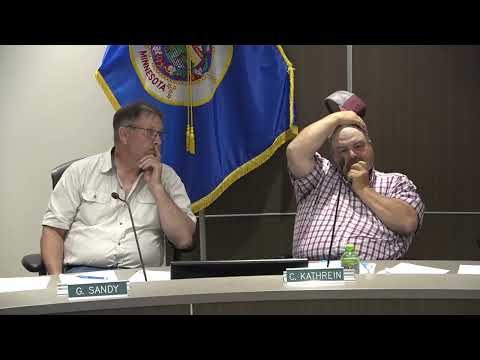
The Morrison County Board of Adjustment denied an after-the-fact variance request from TAC Properties LLC to keep a plumbed holding tank 5 feet inside required setbacks at a storage-lot property in the Veil Estates common-interest community in Cushing.
The Morrison County Board of Adjustment on a unanimous vote denied an after-the-fact variance request from TAC Properties LLC to retain a septic holding tank that sits inside required setbacks at a storage-lot property in the Veil Estates common-interest community in Cushing.
The applicant, Michael Gorman, sought a variance to allow a holding tank located 5 feet from the east property line and 5 feet from an accessory building—encroachments the county said violate the 10-foot setbacks required by Morrison County Land Use Ordinance section 13.01.34. Land services staff described the lot as a 4,080-square-foot parcel created as part of the 15-lot Veil Estates planned-unit development in 2020, intended for dry accessory storage buildings rather than plumbed structures.
Staff member Amy (Land Services) told the board the developer designed the lots without site areas sized to support Type 1 septic systems and that covenants restricting uses are enforced by the homeowners association, not the county. Amy said the department had identified three buildings in the community with plumbing and that this application is the first of three enforcement matters to reach the variance process.
Michael Gorman told the board he had asked the developer before purchase whether a well would be allowed and said he was told yes. "Knowing what I know today after getting the letter from the county, I probably wouldn't have even bought the building," Gorman said. He described the cost and effort of installing plumbing and equipment and said removing the systems would be difficult and would reduce the property's value.
Board members focused on the potential precedent that approval could create for other lots in the development. Brent noted concerns that approving one after-the-fact holding tank could lead to multiple wells and holding tanks packed into the small lots, while Clint said he could not identify a practical difficulty unique to the parcel that would justify a variance under state-mandated criteria. The board reviewed the six statutory variance-finding questions required under Minnesota law.
After the board voted the required findings, George moved to deny the variance; Clint seconded. The motion carried on a 5-0 recorded vote (Brent: aye; George: aye; Clint: aye; John: aye; mover George; second Clint). Staff advised the applicant to work with Amy on options moving forward.
The denial means the county will continue enforcement; Amy said staff had already notified the owner of the remaining vacant lots to discourage promises of similar siting to future buyers.
Questions about well drilling regulations and setbacks from wells and septic systems were raised; staff maintained that plumbed structures that produce sewage trigger septic-code requirements and that holding tanks are regulated under septic rules. Specific state rules cited in the discussion included references to Minnesota statutory and rule requirements for septic systems and injection wells.
The board's action closes the variance request but leaves open administrative enforcement and potential remediation steps with county staff.