Get Full Government Meeting Transcripts, Videos, & Alerts Forever!
Get email alerts on the Federal Litigation Doj Visit topic
No spam. Unsubscribe anytime.
Attorney general briefs council on federal litigation and DOJ visit to Cherokee Nation post-McGirt
Summary
Attorney General Chad Harsha told the Rules Committee that litigation in the Northern and Eastern federal districts is advancing and that the principal deputy attorney general and Office of Tribal Justice visited the Nation to review changes in tribal criminal justice since McGirt.
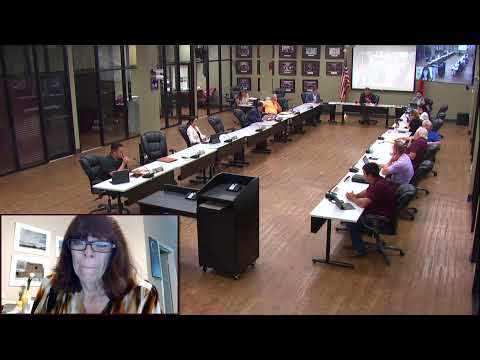
Attorney General Chad Harsha updated the Rules Committee on May 29 about ongoing federal litigation and a recent high-level visit from the U.S. Department of Justice.
Harsha told committee members that the Nation has litigation pending in the U.S. District Courts for the Northern and Eastern districts and that the office was "getting very close to finalizing all of the briefing" on motions including motions to dismiss and requests for preliminary relief. He said responsive documents were filed about a week and a half earlier and that the office is "moving with in accordance with the court scheduling order."
Harsha also described a visit from the principal deputy attorney general of the United States and officials from the Office of Tribal Justice. "It was a really good and unique opportunity," he said, adding the visitors received presentations from the tribal marshal service, tribal district court and supreme court to show "what Cherokee Nation criminal justice looks like post McGirt." He noted the visit provided federal officials with an on-the-ground perspective of the Nation's prosecution and court practices and that federal prosecutors in Tulsa and Muskogee coordinate frequently with Cherokee Nation prosecutors on case jurisdiction and charging decisions.
Harsha said the visit and coordination are particularly timely given litigation in federal court and that the Nation's government relations team had helped arrange the meeting. He closed by inviting questions from the committee.
No further action was recorded on the litigation update during the Rules Committee meeting; Harsha answered procedural questions from members about the effect of committee resolutions on ongoing legal matters.
Ending: Harsha emphasized continued coordination with federal prosecutors and the importance of showing federal officials how Cherokee Nation courts and prosecutorial operations function since McGirt.