Get Full Government Meeting Transcripts, Videos, & Alerts Forever!
Get email alerts on the Hotel Tax topic
No spam. Unsubscribe anytime.
Tulsa staff seek clearer hotel-tax language to resolve disputes over cleaning, pet fees
Summary
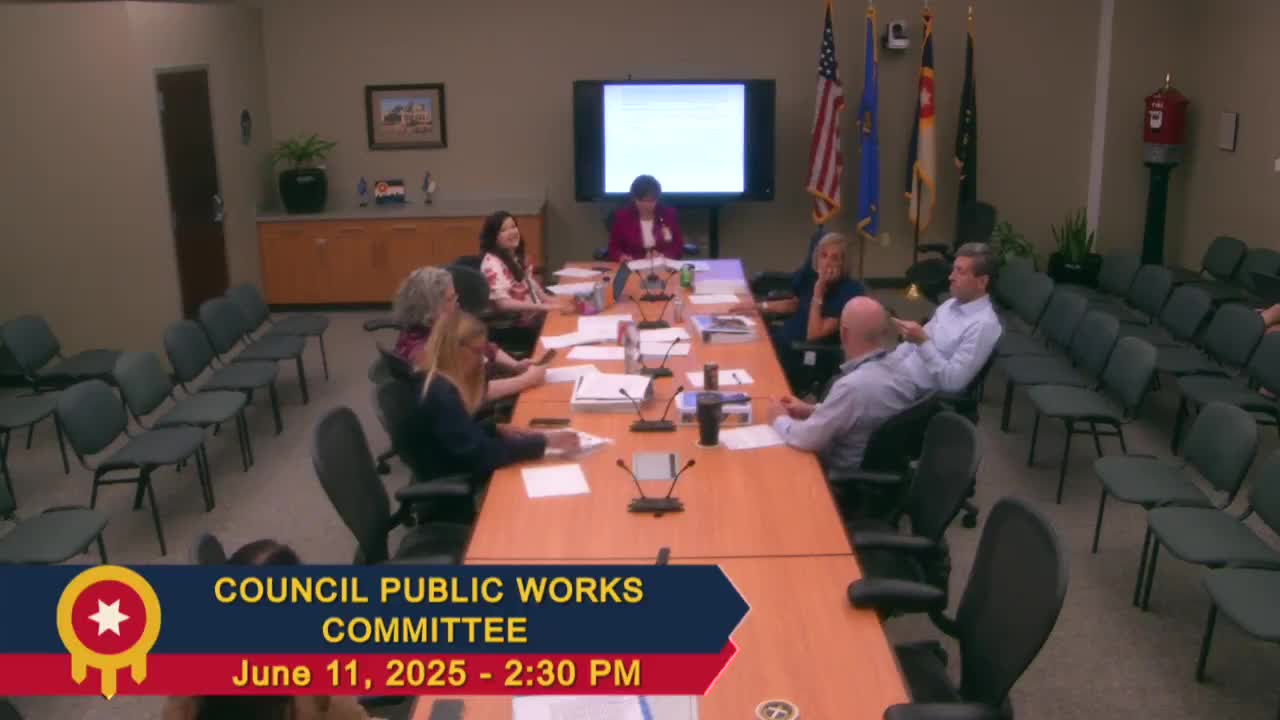
City staff presented an ordinance to amend Tulsa Revised Ordinances Title 44 to clarify which lodging charges are subject to the cityhotel tax after hoteliers reported inconsistent interpretation of existing rules.
City staff introduced an ordinance to amend Tulsa Revised Ordinances, Title 44, chapter 1, to clarify which lodging charges are subject to the cityhotel (lodging) tax.
The change would add and refine definitions in subsection (g) of section 100 and update an FAQ to align tax administration with lodging industry practice, city staff said. The aim is to reduce confusion about incidental line items such as separately listed cleaning or pet fees and whether those charges count as part of the initial room occupancy that triggers the tax.
City staff said a consultant review about 18 months earlier identified potential uncollected revenue and prompted the city to tighten language. In practice, hoteliers and the finance department interpreted some line items differently. City staff told the council the update "clears that up" by distinguishing initial room charges from later, post-stay damage or recoupment fees that hoteliers treat as ancillary charges.
"To us, those are actually a later ancillary fee that we apply afterwards because it's a special, like, damage recoup fee," city staff said during the presentation. "That's where the disconnect and misunderstanding happened. This clears that up."
Staff said the draft drew on language used in peer cities, including Dallas and Oklahoma City, but still left room for interpretation in prior versions. The revised wording and the companion FAQ are intended to make administration more pragmatic for both large hotel networks and small independent operators that sometimes track fees by hand.
Council members expressed support for the clarification and said resolving the technical jargon mismatch should improve compliance and relations with hoteliers. No formal council vote was recorded during the presentation.
The council packet lists the ordinance on the agenda; staff said the updated FAQ will be published alongside the ordinance to help hoteliers understand what is taxable and what is not.
Why it matters: Lodging tax funds local programs and tourism initiatives. Clarifying which charges are taxable affects collections and reduces disputes between the city's finance office and lodging operators.
Whathappens next: The ordinance was presented for discussion; staff did not record a final vote at the meeting.