Get Full Government Meeting Transcripts, Videos, & Alerts Forever!
Get email alerts on the School Music Staffing topic
No spam. Unsubscribe anytime.
Parents, students and teachers contest Neshaminy music staffing realignment; board cites counsel on personnel comments
Summary
Dozens of parents, students and music teachers at the Neshaminy School District meeting pressed the school board on proposed reassignments in the district’s music program, saying the changes will reduce instructional time, force band teachers to teach strings and break long-standing feeder patterns that support the district’s award-winning ensembles.
Dozens of parents, students and music teachers at the Neshaminy School District meeting pressed the school board on proposed reassignments in the district’s music program, saying the changes will reduce instructional time, force band teachers to teach strings and break long-standing feeder patterns that support the district’s award-winning ensembles.
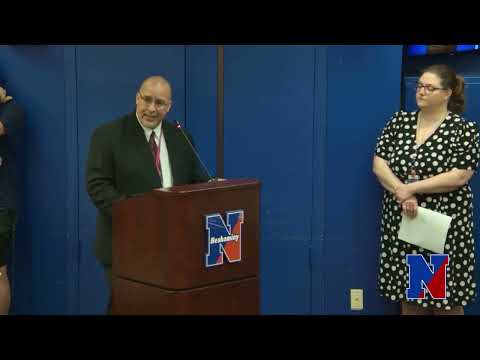
The concerns surfaced during a public comment period in which the board’s solicitor told attendees that, under counsel’s advice, board members would not respond to comments about personnel or litigation. "Typically, the board is advised not to comment on litigation, personnel decisions, or specific student specific matters," the solicitor said, before opening three-minute slots for registered speakers.
Why it matters: Students, parents and teachers said the proposed scheduling and reassignment plan will lower access to specialized instruction in strings and band at the elementary and middle school levels and risk long-term declines in the district’s high-school ensembles. Critics also said the lead music teacher was excluded from decision conversations and that an administrator-driven plan ignored teacher-crafted alternatives.
Speakers’ testimony and specifics Tony Harvey, a 46-year resident and parent, told the board music teachers were not informed about proposed staffing changes until less than a month earlier, and that the music lead — Alexis Cassidy — had been barred from a meeting where reassignments were discussed. "Her exclusion raises significant concerns," Harvey said, and he warned the reassignment would "strip" veteran teachers of programs they built.
Alexis Cassidy, identified in public comment as the district’s lead elementary and vocal music teacher and the lead music teacher in the district, said she and her colleagues submitted a written alternative schedule that would absorb the additional caseload while minimizing disruption. "We had hoped that our expertise...would have been taken into account," Cassidy said. She described specific effects she said the administration’s plan would cause: orchestra students losing two-day instruction in some buildings, string specialists being replaced by band teachers with little or no recent strings experience, and feeder patterns that carry students from elementary to middle to high school being broken. Cassidy said the instrument repair and replacement budget had been reduced by 40% and that the department had already gone from 10 to 9 itinerant instrumental teachers.
Students and parents gave examples of instructional reductions and program disruption. Student speakers said they learned important life skills through music and that a loss of specialist instruction in elementary grades would leave future middle- and high-school ensembles with fewer well-prepared players. One parent cited a projected cap on enrollments at some schools because of room-size and scheduling constraints.
Board and administration actions Before public comment, the board passed a master personnel motion that bundled routine personnel items — retirements, appointments, leaves and contracted services for the 2025–26 year (board item 2.01–2.08). The motion was moved by Missus Hollenbeck and seconded by Mister Allen and recorded as passing 7–0. The motion covered a large set of personnel actions but the board and solicitor said they could not discuss individual personnel assignments during the meeting.
What the public asked for Speakers repeatedly asked the board and administration to: (1) reinstate or preserve specialists in strings and band where possible; (2) adopt the lead teacher’s alternative staffing plan described in materials provided to the board; (3) restore or clarify the instrument repair and replacement budget; and (4) include music teachers in future staffing and scheduling discussions.
Context and background Several speakers noted the program’s long record of recognition and awards; Cassidy said Neshaminy had been named a "Best Community for Music Education" for multiple years. Multiple speakers described the district’s elementary instrumental instruction as the pipeline for later award-winning ensembles and warned that reduced early access would have multi-year effects on student participation and ensemble quality.
Board response Board members thanked attendees and graduating students for coming, and multiple trustees expressed appreciation for the music department and the public comment. Trustees and the solicitor reiterated that personnel matters would be handled as personnel matters and that legal counsel advised against public board responses about staffing specifics. No formal vote on the music staffing plan or a reallocation of the instrument repair budget was taken during the meeting.
What’s next The board’s business-operations committee noted the music program as a topic in committee work; the district will continue summer work and resume committee meetings in the fall, the board said. Community members asked the board to hold further discussions and to reconsider the reassignments before the start of the next school year.
Ending note Speakers repeatedly framed their testimony as an appeal to preserve specialized instruction and continuity in the music program; several students and parents said they would continue to press the district to adopt the staffing plan they and the lead teacher proposed.