Get Full Government Meeting Transcripts, Videos, & Alerts Forever!
Get email alerts on the Personnel Mou Stipends topic
No spam. Unsubscribe anytime.
East Chicago board questions personnel report entries tied to earlier career-coaching MOU
Summary
Board members pressed administration over two personnel stipend entries tied to a previously approved career-coaching memorandum of understanding, seeking details on who performed the work and whether the board had prior approval of named administrators and payment rates.
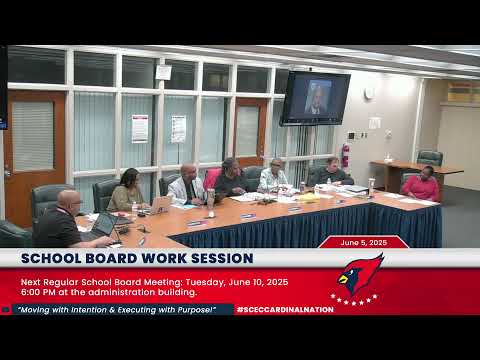
Trustees at the School City of East Chicago work session raised objections on June 5 to personnel report line items tied to a career-coaching memorandum of understanding (MOU) the board had approved previously.
The board asked why two stipend payments for administrators appeared on the personnel report after the MOU had already been approved and after the work was performed. Superintendent Dr. Burnet said the district approved the MOU in August and that it included funding for the program, but acknowledged the board had not previously seen the names and pay breakdown for the administrators now listed for payment. "The funding is there and the MOU was approved," Dr. Burnet told the board when explaining the paperwork trail.
Trustees said their expectation was that the MOU permitted funding for a program but that specific personnel assignments and rates would be presented to the board before payment or before the staff performed the work. Trustee Rodriguez and others repeatedly asked whether the services had already been performed and whether withholding payment would create legal exposure; the board attorney answered that failing to pay someone who already performed agreed services could create legal risk.
Board members asked that the personnel items be tabled so the administration could provide the missing information: the dates of service, the basis for selecting administrators rather than teachers, and the exact compensation rates. Trustees described the gap between approving funding in an MOU and later approving the personnel actions that run through payroll, and requested clearer documentation on future MOU-driven payments.
The superintendent said the administration would return with the requested information and that the board had previously tabled these specific personnel items to get the additional detail. Trustees also clarified that payroll processing requires personnel actions on the payroll side even when MOU funding exists, which is why the items appeared on the personnel report rather than only on the claims docket.
Ending: The board did not approve the two personnel items during the work session and directed staff to provide detailed back-up — including names, dates of service, selection rationale and rates — before the items return to the board for action.