Get Full Government Meeting Transcripts, Videos, & Alerts Forever!
Get email alerts on the School Meals Food Recovery topic
No spam. Unsubscribe anytime.
Wake County SHARE pilot expands after positive pilot data and private grant
Summary
A Wake County Schools pilot food‑recovery program that allows students to donate packaged and unopened food items for later distribution will continue at eight pilot schools and expand to 10 more in 2025–26 after private grant funding and county partnership, district staff told the school board.
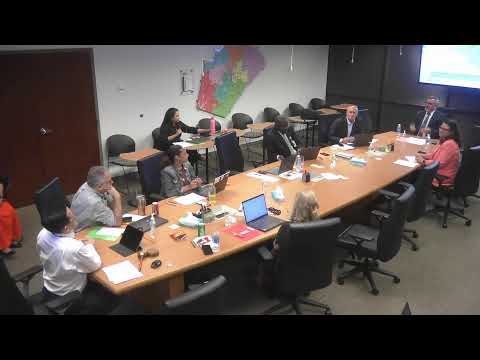
Wake County Schools staff told the school board on June 18 that the SHARE (Stop Hunger and Restore Earth) pilot program will continue at all eight pilot schools and expand to 10 additional elementary and middle schools next school year after a private grant and county support.
The program’s early data and frontline feedback drove the decision. SHARE staff said volunteers and school teams recorded an average of about 41 donated food items per day per pilot school; extrapolated across a 180‑day year, that could represent more than 7,300 recoverable items per school. A private funder provided a grant to support rollout, and Wake County government’s solid waste team offered staff hours to help sustain the effort.
District staff presented examples from several pilot schools during public comment. At Millbrook Environmental Connections Magnet Elementary, Magnet Coordinator Randy Jones said staff recover surplus packaged items at the end of the day and redistribute them so unopened items are not wasted but “benefit our students.” Lincoln Heights’ representative said donated items in a front‑office fridge and pantry cart reach students who missed breakfast or later need a snack. Dillard Drive instructional assistant Wafaa (presented in the meeting as Wafaa Van Grama) described students who received extra food during the day and parents who appreciated the resource.
Staff described the program’s physical setup: a SHARE collection cart in the cafeteria during meals and a pantry cart and refrigerator placed in a central school location (for example, the front office or guidance suite) where students can access items throughout the day. The program’s recovery categories are packaged shelf‑stable foods, fresh fruit, cold foods that do not require time/temperature controls for safety, and condiments/utensils.
District staff said volunteers at pilot schools tallied items during meal periods and school‑level program administrators completed pre‑ and post‑implementation surveys and cafeteria staff surveys to evaluate quality and operations. Examples presented included one strong day at Millbrook when volunteers collected 18 juice cartons, 65 bags of carrots, 50 bags of apple slices and 25 packages of graham crackers; staff reported that the items were consumed later the same day or the next day, not thrown away.
Staff described operational challenges and limits the pilot revealed. Some schools reported little or no leftover food at week’s end; others reported occasional leftover items (for example, hummus, which has limited shelf life). Cafeteria staff asked for additional ways to recover dairy (milk, cheese, yogurt) and thin‑skinned fruits (apples and pears). SHARE staff said recovery of milk and dairy is constrained by state rules, and they will pursue discussions with Child Nutrition Services and other stakeholders about options for additional recoverable items.
School teams noted implementation challenges typical of new programs: consistency in cafeteria practice, staff turnover, locating and returning the cart to a predictable spot during service, and the need for ongoing education for staff and students. Several pilot schools are using student leaders to help run carts and promote the program.
Moving forward, SHARE staff said the Lonnie and Karapol Family Foundation (grant name as reported in the presentation) provided funding to sustain the pilot schools and support a Phase 2 rollout. Combined with county staff hours, SHARE staff said they can continue the eight pilot sites and add 10 new schools (four of them middle schools) for 2025–26. Staff said most of the new applicants asked to join; SHARE held informational meetings and invited an administrator and a PTA representative to attend before agreeing to add a school.
Board members asked about next steps, timelines and fundraising. SHARE staff said donors can contribute through the program’s online portal and that the pilot contract runs March‑to‑March; staff expect to return to the board in early 2026 with a request about future funding/contract extension. Staff also said they are exploring an educational video and other materials to reduce the burden on individual schools for training and ongoing outreach.
School board members and staff expressed strong support for continuing and expanding the program. "The kids love it," one pilot school administrator told the board during public comment, echoing other presenters’ descriptions of student engagement and reduced waste.
District contacts: SHARE pilot administrators include on‑site program leads and cafeteria monitors at each pilot school, and the district SHARE team will coordinate Phase 2 rollout with school administrators and Wake County government partners.
Ending note: Staff said the SHARE pilot is continuing into the next school year with pilot schools requesting to remain, new schools asking to join, grant funding in hand and supplemental county staff support in place. SHARE staff will return to the board with further budget and contract details as planning continues.