Get Full Government Meeting Transcripts, Videos, & Alerts Forever!
Get email alerts on the Career And Workforce topic
No spam. Unsubscribe anytime.
Danvers High highlights senior FALCON internship program as pathway to careers
Summary
Danvers High School reported that its senior FALCON internship program placed most seniors in real‑world positions, including paid placements, and is expanding networking and capstone options while facing transportation and funding limits.
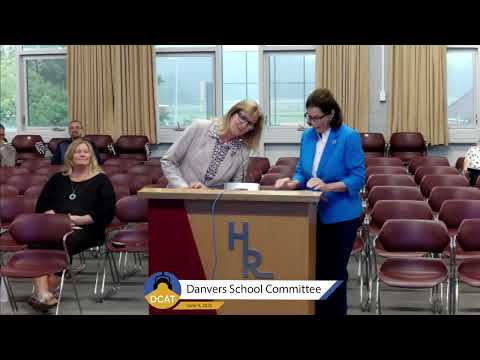
Danvers High School outlined results and next steps for its senior FALCON internship program, saying the multiweek placements give seniors workplace experience and sometimes lead directly to jobs.
The program director, Karen Robinson, said the internships are designed to “offer students real world opportunities that prepare them for life after graduation,” and described a typical placement schedule in which seniors work about 25 hours a week in April and May, adapting hours for Advanced Placement schedules.
Robinson said the program maintains a database of roughly 500 placements, requires weekly check‑ins with a coordinator and a final supervisor evaluation, and culminates in an internship fair where students present trifold boards summarizing their work. She told the committee the program now accepts both paid and unpaid placements and permits capstones for students whose schedules or sports make an off‑site internship impractical.
Students and supervisors described work ranging from hospital rotations to municipal and nonprofit offices. Intern Sophie Papamichael, who interned at Anna Jaques Hospital, said, “I would get to watch surgeries, I get to observe patient care. It’s very interesting, and it’s like what I’m planning to get into.” Robinson said one former intern has already been offered summer work at a host site and will enroll at Endicott College.
Staff and committee members praised the program’s growth: Robinson said the program began in 2013 with 27 students and has expanded to include the majority of the senior class, with roughly 71 students placed in paid internships last year through STEM, youth work and DESE grant funding. She warned, however, that some grant funding used last year is no longer available and that STEM placements remain competitive.
The committee asked about interviews and preparation; Robinson said some students interview for placements while others obtain placements through personal contacts and that the school provides resume, interview and career‑readiness support. Members urged further promotion of outcomes and suggested earlier exposure for juniors to inform college major decisions.
Robinson said the school will pilot an internship networking event in the fall tied to a school career fair to help seniors secure placements earlier in the year.
The district plans to continue supporting employer partnerships and to consider transportation or scheduling changes to broaden access for students who lack reliable travel to off‑site internships.
Many committee members said the program should be promoted to families and middle‑school students as a recruiting tool; administrators said they will produce materials and video exemplars for outreach.