Get Full Government Meeting Transcripts, Videos, & Alerts Forever!
Get email alerts on the Public Safety Alternatives topic
No spam. Unsubscribe anytime.
City highlights co-response units and special services docket as alternatives to prosecution
Summary
Officials described the city’s Alternate Response Teams (ART 1 and ART 2), Community Response Team (CRT) functions and the Special Services Docket that link people with mental-health and social services instead of traditional misdemeanor prosecution.
City public-safety and social-service representatives summarized several programs designed to divert people from arrest and to provide ongoing support: the Special Services Docket, Alternate Response Team 1 (ART 1), Alternate Response Team 2 (ART 2) and complementary crisis-response teams.
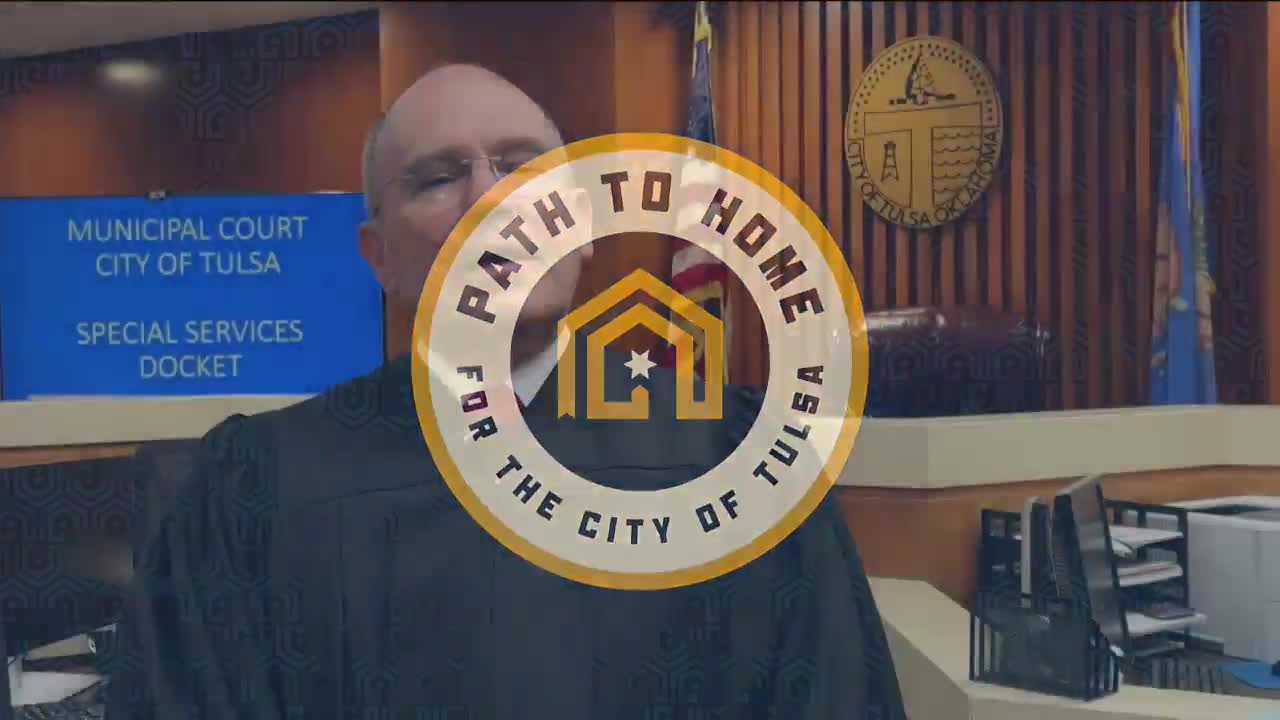
Speakers said the Special Services Docket provides an alternative to traditional prosecution for low-level municipal misdemeanors driven by behavioral-health or housing instability. A Mental Health Association representative described providing clinical case management for the docket, noting that upon graduation charges are dismissed, fines and costs suspended and some qualifying offenses are expunged at no cost to defendants. Past program data cited in the presentation said about 90% of graduates had no new charges within six months and about 75% at one year.
The Tulsa Fire Department (program presenters) described ART 1 as a co-response unit pairing a firefighter-paramedic trained in crisis intervention with a COPES clinician from Family & Children’s Services to respond to mental or behavioral health crisis calls. ART 2 is a community-paramedicine-staffed unit stationed downtown to respond to medical calls within the IDL and to provide outreach, wellness checks and follow-up for high utilizers and people experiencing homelessness. Presenters described ART 2 as responding in place of other apparatus when appropriate, allowing ambulances and fire units to remain available for high-acuity calls.
Presenters emphasized follow-up and case management: units connect people to crisis care centers, urgent recovery centers, housing applications and social services, and case managers follow up within days to build continuity of care. Officials said the programs are reducing recidivism for certain populations and allow traditional emergency units to return to service sooner. No formal vote was recorded; this was an informational presentation about existing programs.