Get Full Government Meeting Transcripts, Videos, & Alerts Forever!
Get email alerts on the Personnel Review Board topic
No spam. Unsubscribe anytime.
Personnel Review Board explains due‑process role, virtual hearings and record access to County Committee
Summary
Members of the Milwaukee County Personnel Review Board described their duties, virtual hearings, attendance records and how the board handles discipline cases for classified employees.
The Personnel Review Board (PRB) told the Committee on Personnel on June 10 that its primary responsibility is to provide due‑process hearings for employees in Milwaukee County's classified service who face disciplinary actions, and that most PRB hearings have been held virtually since 2021.
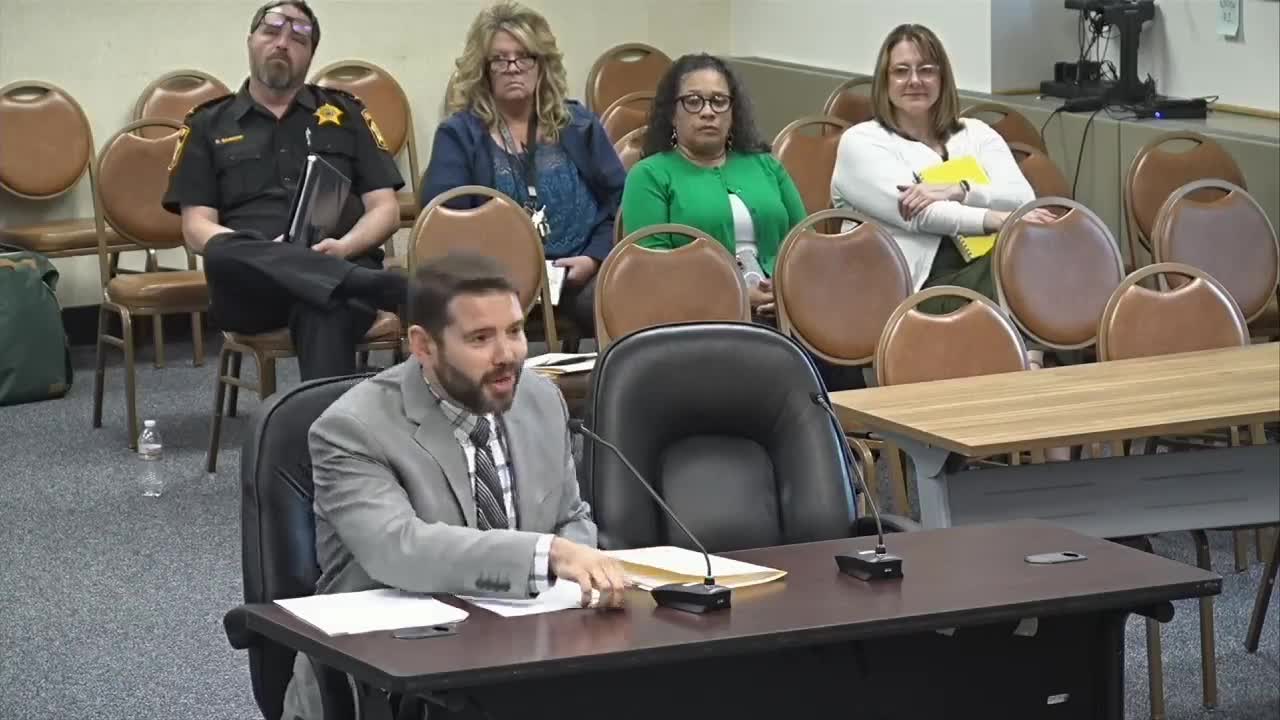
Adam Gilmore, administrator for the PRB, introduced board members and described the board's work. Chair David Kern said the PRB's hearings are open to the public and that supervisors and others may attend. "All of our meetings are open session," Kern said.
Why it matters: The PRB conducts hearings that can result in suspension or discharge, and the board said it aims to be fair to employees and to ensure the county meets its burden of proof when charging an employee.
How PRB works, according to board members and staff - Scope and duties: The PRB conducts hearings on discharges, certain suspensions and other discipline for employees in the classified service (the board cited that classified service comprises most county employees). - Virtual hearings: Gilmore said virtual hearings reduced employee downtime and made it easier for witnesses to participate from their workstations. "They are able to provide their testimony from their own workstation and immediately get right back to work," he said; the board noted that virtual hearings did not appear to reduce careful deliberation and, in Gilmore's observation, have resulted in more reductions in charges in some cases compared with the pre‑COVID in‑person format. - Accessibility and process: Board members said they provide explanations to unrepresented employees, offer technical help for participating in hearings, and issue written decisions for each case (records released only in accordance with notice protocols). - Attendance and transparency: Board materials produced an attendance table showing improved overall attendance in 2025 (the board reported a current average near 93%). The PRB said agendas and meeting links are posted and that the board meets every other Tuesday (the PRB noted meetings use Teams).
Board members present included chair David Kern, vice chair Phoebe Williams and member Peggy Schneider; all spoke about protecting fairness for employees and ensuring robust record‑keeping. The PRB's presentation was informational; supervisors were invited to attend future PRB meetings and to request meeting links and written decisions.