Get Full Government Meeting Transcripts, Videos, & Alerts Forever!
Get email alerts on the Public Works Repair topic
No spam. Unsubscribe anytime.
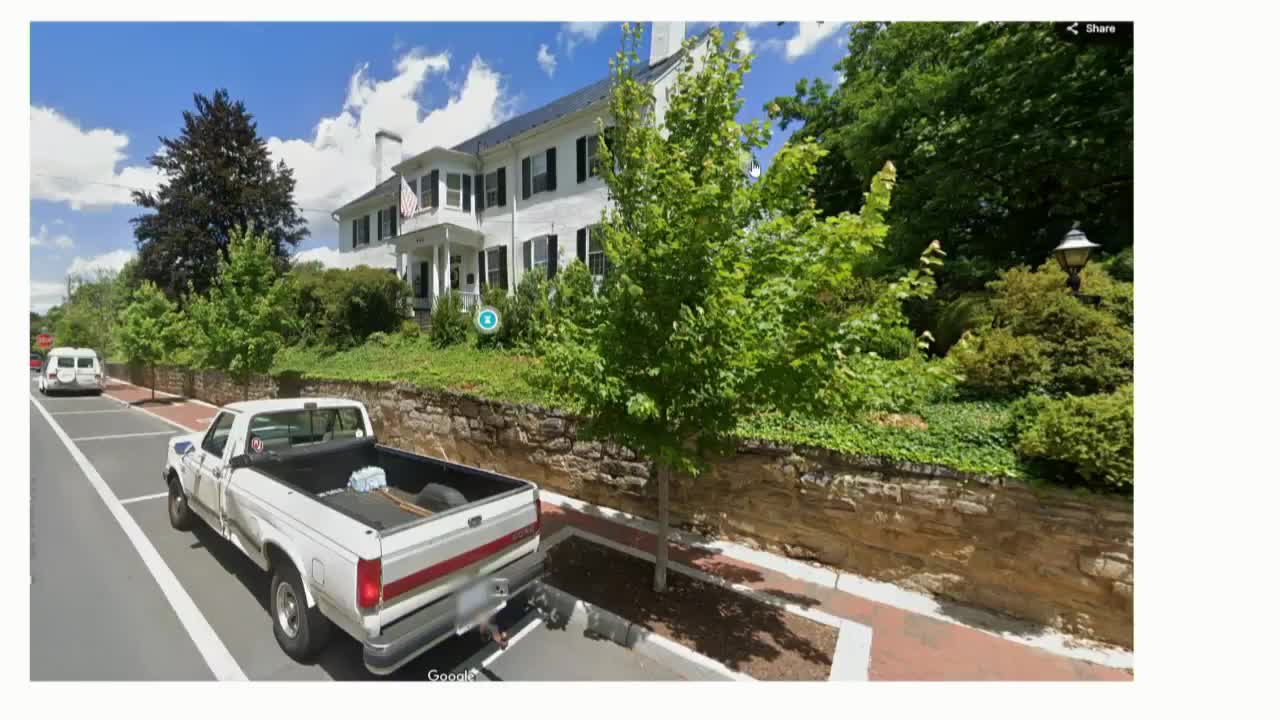
Owner of 226 Amherst Street given staff support to pursue administrative approval to rebuild collapsed stone wall
Summary
After a section of a stone retaining wall at 226 Amherst Street collapsed, the board agreed staff could process an administrative application for like-for-like reconstruction using original stone, including weep holes and tie-backs if needed.
A section of a historic stone retaining wall at 226 Amherst Street collapsed in late May, and the Board of Architectural Review on June 5 authorized staff to work with the owner, identified in the meeting as Mr. Sember, on an administrative application to rebuild the wall using the original stones and like-for-like methods.
The owner described discovering the collapse Friday evening after hearing a noise and said the wall—s age is uncertain; he told the board it may be "well over a hundred years" though he also used earlier phrasing that suggested different estimates. He said he has engaged a mason with four decades of experience who advised that most existing stones can be reused and that additional weep holes and crushed stone backfill will be included to improve drainage.
Board members expressed support for an administrative approval so the owner can move quickly on repairs, provided the rebuilt wall uses the same stone and similar dry-stacked appearance. Staff and a board member discussed potential structural requirements: because a dry-stacked wall over about three feet often needs reinforcement, options discussed included reinforced block cores, rebar or tie-backs. A board member said those methods are acceptable if the visible exterior is matched with the existing stonework. "If some of the wall collapses during this or more needs to be replaced, as long as it's replaced in the same manner as been described I would have no problem," a member said.
Staff said the city—s inspection teams had already inspected the site and that the collapse did not "trigger any code" that would prevent repair, though staff noted the need to consider structural support methods. The board asked staff to process an administrative application that the historic preservation staff could approve and to coordinate with the owner and a mason so the work can proceed in a timely manner.
The owner said he hopes to begin repairs soon and asked for two on-street parking spaces to be reserved for contractors while work proceeds; staff indicated the city could accommodate needed space. The board—s agreement was recorded as consensus rather than a formal counted vote and was noted as time-sensitive by members and staff.