Get Full Government Meeting Transcripts, Videos, & Alerts Forever!
Get email alerts on the Homelessness topic
No spam. Unsubscribe anytime.
Washtenaw winter-shelter task force asks county for targeted funds to shore up prevention, family shelter, hoteling and rapid rehousing
Summary
A task force of nonprofits and county partners described lessons from the last winter and urged the board to approve a bundle of targeted requests including eviction-prevention dollars, family shelter operations, rapid rehousing and money to secure daytime and overnight space for single adults.
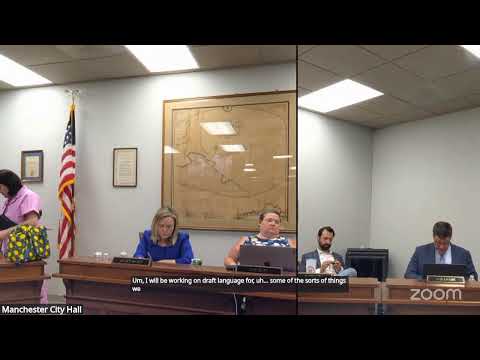
Representatives of Washtenaw County’s Winter Shelter Taskforce told the Board of Commissioners on June 4 that the county’s winter response this past season kept people safe but strains persist and more targeted money is needed to hold gains and prepare for next winter.
A small group that has been meeting since April 2023 — Dan Kelly and others from the Shelter Association, Rhonda Weathers and Shona Tarusa from SOS Community Services and partner agencies — reviewed what worked in 2024–25 and where gaps remain. They described three pillars of the winter strategy: prevention and diversion; emergency shelter operations; and rapid rehousing and permanent housing supports.
“The needle’s greatest in December, and then it tapered down to about March,” Kelly said of shelter use this winter as sites opened and outreach increased. He thanked county and municipal funders and private supporters for enabling a countywide response.
The presenters described a set of funding requests and program changes they say are required to keep the system from being overwhelmed next winter: - Eviction prevention: Taskforce partners asked the board to continue a large-scale eviction-prevention pool. Last year the county allocated about $700,000 for eviction prevention; SOS reported it served 428 households last year and allocated about $2,076 on average per household to stabilize them. Presenters asked the board to fund the prevention program at a comparable level again so staff can schedule assessments and make payments when needed. - Hotel stays for medically complex families: SOS said the county allocated about $110,000 last year for short-term hoteling for families with complex medical and behavioral-health needs; the task force asked for $15,000 in county support this year to supplement other commitments and reduce the need for emergency hoteling. - Family shelter expansion: IHN and SOS are bringing new master-leased units online and a new congregate site. The county was asked for $280,000 to help operationalize a congregate family site that could house up to 30 families and to support master-leasing that will add units for larger families. - Rapid rehousing: The task force asked the board to fund $120,000 to stabilize capacity in rapid rehousing after the county lost a share of a tiered federal grant. Task force members said the community lost about 28% of rapid-rehousing funding and this request would prevent losing roughly 40 units. - Day and overnight shelter for individuals: For single adults the task force asked for $215,000 to help secure and operate daytime and overnight sites across the county in winter 2025–26, supplementing city and private support. They said individual shelter sites have to be secured earlier than in prior years and local governments and donors will also need to provide funds.
Task force members described program innovations that reduced hoteling demand this winter, including Alpha House’s weather-amnesty program and a larger family overflow model that reduced use of paid hotel rooms. Members also described a record rise in need: the individual overnight census high watermark rose from about 100 a few winters ago to more than 200 on peak nights this winter.
County commissioners asked questions about oversight, fundraising done by partners and administrative costs. Commissioner Sanders urged task force members to include detailed fundraising and administrative percentages in future packets so commissioners can explain decisions to residents; he also asked that proposals always include the share that would go to staffing.
Task force leaders said several new state and HUD awards are coming to the community: a HUD homeless demonstration program for youth and a Supportive Services Only grant to help young people with housing navigation; master-leasing grants from the state (NVHHS) awarded to SOS and IHN that will bring additional family units online without a county funding ask for the lease dollars. They said those new resources — plus county, city and private funds — are expected to expand the system’s capacity but that timely county decisions will still be needed to secure sites and staffing ahead of the next winter.
Ending: Task force members asked the board to consider the requests at upcoming budget and millage discussions so the community can finalize shelters, hire staff, and identify daytime spaces for people in crisis. They said the goal is to avoid turning away people in winter and to continue the prevention work that has reduced hotel stays compared with prior years.