Get Full Government Meeting Transcripts, Videos, & Alerts Forever!
Get email alerts on the Education Technology topic
No spam. Unsubscribe anytime.
Parents urge Clayton schools to set clearer limits and study classroom screen time
Summary
Parents at the Clayton School District public comment period asked the Board of Education to lead a comprehensive, research‑based review of how education technology is used in classrooms and to adopt clearer screen‑time guidance for students.
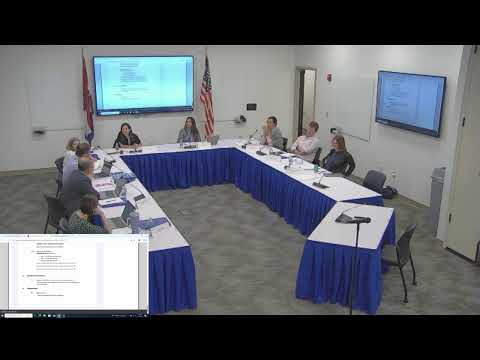
Parents and other community members urged the Board of Education of the Clayton School District on Monday to develop explicit, research‑driven policies on classroom technology and student screen time.
Mead Greenberg, a parent of a rising first‑grader and a child at the family center, told the board the district’s planned technology self‑study is “an opportunity to evaluate not just the benefits of ed tech, but also its risks and costs.” He said the last district technology study in 2017 led to 1:1 device access but that nearly a decade of additional experience — especially lessons from the pandemic — warrants new, transparent guidance.
The call for action came in multiple comments and submitted statements. A statement read on behalf of Katie Kovacs and David Levy urged the district to “prioritize the development of thoughtful, transparent, forward‑looking, and research‑informed policies around the use of technology in our classrooms.” Micah and Tanya Rose, in a separate written comment read aloud, warned that some digital tools emphasize quick engagement rather than deeper thinking and urged prioritizing face‑to‑face instruction for social‑emotional learning.
Why it matters: Parents said current practice varies widely across teachers and schools and that the district lacks a comprehensive inventory of apps, videos and device usage. Several speakers recommended public reporting of average daily in‑school screen time by grade, clearer rules about when videos or screen‑based content are appropriate, vetted lists of instructional video resources, and parent‑facing materials explaining how and why devices travel home with elementary students.
Speakers suggested the study include a representative committee of teachers, administrators, parents and EdTech experts to evaluate district data and recommend policy changes. “We need guidelines that help families understand how technology is shaping their children's education and how they can partner with schools,” one commenter said.
District staff and board members acknowledged the planned self‑study and heard questions about the extent of variation in classroom practices and whether some video uses could be replaced by live instruction. No formal board action on technology policy was taken at the meeting; speakers’ remarks were part of the public‑comment period.
The board previously authorized a district technology review; parents asked that the review begin with a comprehensive inventory of classroom tools and measurable reporting tied to pedagogy, developmentally appropriate practice and equity.
Looking ahead: Commenters asked the board to publish study findings, provide clear expectations for device use at school and at home, and produce guidance that aligns with the district’s educational goals and profile of a graduate. The board’s presentation materials for the meeting note a forthcoming self‑study but did not specify a timeline for public release or policy proposals.