Get Full Government Meeting Transcripts, Videos, & Alerts Forever!
Get email alerts on the Budget Taxes Sales Tax topic
No spam. Unsubscribe anytime.
Harrington commission approves placing 1% sales tax measure on 2025 ballot to fund street work
Summary
The Harrington City Commission voted to advance a proposal to put a 1% sales tax on the 2025 ballot, allocating 70% to major street projects, 15% to maintenance and 15% to special projects and grant matches for a 10-year term if approved by voters.
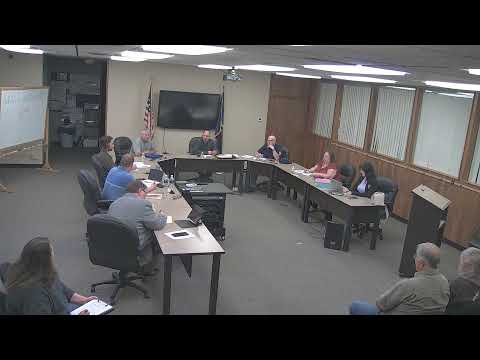
HARRINGTON — The Harrington City Commission voted June 3 to advance a proposed 1% city sales tax to the 2025 ballot intended to pay for major street rehabilitation and maintenance.
City staff presented the measure and a proposed spending split — 70% for major street projects identified in the city’s capital improvement plan, 15% for ongoing maintenance of streets (including rehabilitated sections) and 15% for special capital projects or grant matches. The measure would last 10 years and, if approved by voters, staff proposed an effective date of May 1, 2026.
The measure’s proposer said the tax was put forward after the city’s comprehensive and strategic planning efforts identified streets and roads as the top priority. “We kind of identified our number one priority as streets and roads and major street improvements in this community,” the staff presenter said during the meeting.
Why it matters: city staff said the estimated construction cost for the program is roughly $1.6 million to $1.7 million. Using 2024 sales-tax receipts as a baseline, staff estimated that a full 1% city sales tax could produce roughly $360,000 per year (the presenter cited local 2024 collections of about $132,000 plus other receipt categories totaling roughly $360,000). City leaders said relying solely on property tax to fund the CIP would require large, long-term bonding or significantly higher property rates.
Allocation and projects named: staff told the commission the ballot language would expressly allocate funds and reference specific streets from the CIP, including Broadway, Walnut, Fifth Street, Sturgis, Commercial Drive and D Street, plus other projects listed in the 2026–2036 capital improvement plan. The presenter said explicit allocations in the ballot question were designed to reassure voters that proceeds would be used only for the stated purposes for the 10-year term.
Procedure and next steps: Commissioner Naylor moved to place the measure on the 2025 ballot and to authorize staff review; the motion was seconded and approved in roll call. Commissioners discussed public outreach options, including joint sessions or workshops, and asked staff to confirm legal publication and notice timelines ahead of required election deadlines. City staff flagged the requirement for one or more public hearings before the election and said they would refine ballot language and publication dates during a staff review prior to finalizing the resolution and the mayor’s signature.
Discussion points and caution: some commissioners said they do not favor raising taxes but supported letting voters decide. One commissioner urged the commission to adopt a plan to preserve street conditions after the 10-year term ends. Another commissioner said sales tax was preferable to broad property-tax increases. The commission voted to advance the resolution subject to staff review and to authorize the mayor’s signature on the final legal documents.
Votes at a glance: the commission approved the motion to place the 1% sales-tax resolution on the 2025 ballot by recorded roll call (ayes recorded; no opposing votes recorded during the meeting).