Get Full Government Meeting Transcripts, Videos, & Alerts Forever!
Get email alerts on the Opioid Response topic
No spam. Unsubscribe anytime.
Lexington social services details naloxone distribution, recovery supports as opioid settlement spending is decided
Summary
Carmen Combs Marks told the Social Services and Public Safety Committee on June 3 that the Substance Use Disorder Intervention Program distributes naloxone, runs a recovery living assistance payment, and is preparing recommendations for how to use opioid-litigation funds; the program’s SAMHSA grant and future funding sources are uncertain.
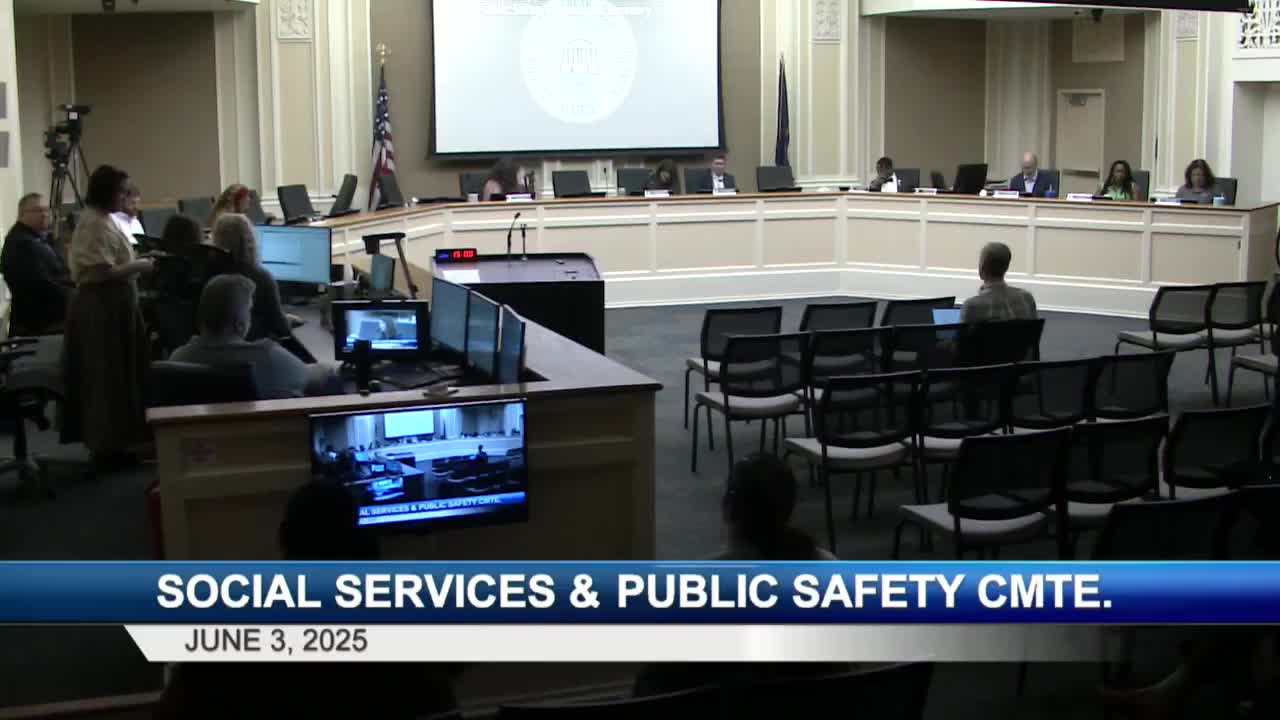
Carmen Combs Marks, the substance use disorder intervention coordinator in Lexington’s Department of Social Services, briefed the Social Services and Public Safety Committee on June 3 on the department’s naloxone distribution, outreach and recovery-support activities and on plans for allocating opioid-litigation settlement funds.
Marks said the program’s current federal grant funding comes primarily from the U.S. Substance Abuse and Mental Health Services Administration (SAMHSA), with $499,997 identified for the program. The department distributes naloxone (Narcan) in the community, provides training and operates a Recovery Supported Living Assistance (RSLA) payment that offers a one-time assistance payment (now up to $500) for people entering certified sober-living homes. Marks said the RSLA payment is a one-time boost, not a recurring monthly stipend.
Marks described partnerships with the Lexington-Fayette County Health Department’s syringe service program to provide community naloxone training and with first responders. The program places naloxone in “lock boxes” at some hotels, schools and other sites, conducts outreach in nontraditional community settings (barbershops, beauty shops and festivals), and offers service navigation and referral to treatment providers. Marks said the outreach coordinator, Scott Lou Allen, works weekly with John Moses at the health department.
Why this matters: the city’s opioid-abatement commission holds roughly $7 million in nationally distributed opioid litigation funds to date, and the committee heard that a recent Kroger settlement payment added about $197,000 (with potentially a second payment). The committee was told that the mayor’s opioid advisory group is preparing final recommendations for the mayor on how to spend settlement funds and intends to submit those recommendations in the coming weeks.
Key program details and discussion Marks reported a 32% decrease in overdose deaths since 2023 but said the program cannot claim sole credit: “I don't know that it's directly related to our program. I'd like to say yes.” She emphasized multi-agency partnerships — hospitals, the Hope Center, Voices of Hope and others — as contributors to the decline.
On equity and targeted distribution, Councilwoman Gray asked how the city ensures naloxone reaches communities with higher overdose rates among African American males. Marks said the program has been intentional about visibility at community events and faith-based organizations and reported that overdose rates for African American males fell by half in the last year. She urged council members to recommend outreach venues the program might not already use.
Marks said the RSLA program’s eligibility is limited to individuals in certified sober-living homes that are working toward or have NARS/CARR certification; selection for the one-time stipend can be random and is administered over roughly a two-year span. The RSLA payment currently is paid from general funds; the department is exploring whether opioid-abatement funds could be used to sustain or expand the program should federal grant support lapse.
Funding and next steps Marks said the program’s SAMHSA four-year grant began in 2022 and is entering its fourth year; the team is preparing for the grant cycle that restarts in October and is planning for contingencies if federal or grant funding changes. She told the committee the opioid abatement commission meets monthly and that presentations may be made via an application link on the program website.
The mayor’s Substance Use Disorder Advisory Council is finalizing recommendations and will present them to the mayor in the next couple of weeks; Marks said the commission plans grant opportunities designed to distribute funds for prevention, treatment and recovery services.
Ending Committee members thanked Marks and staff for the presentation and asked for follow-up materials on lock-box locations and naloxone-distribution figures. Marks said she would provide the requested information and encouraged council members to remain engaged with community outreach and with the advisory group’s upcoming recommendations.