Get Full Government Meeting Transcripts, Videos, & Alerts Forever!
Get email alerts on the Budget Parking Fines topic
No spam. Unsubscribe anytime.
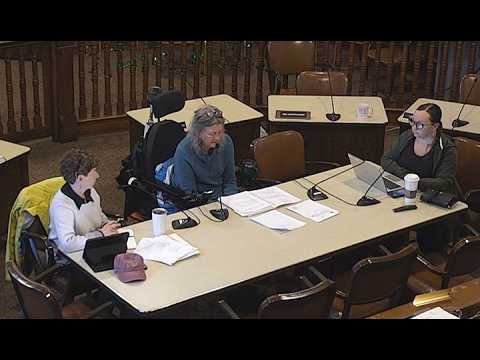
Holyoke disabilities commission seeks independent budget funded by handicap-parking fines
Summary
The Holyoke Commission on Disabilities described a newly submitted first-time budget request funded by decades of handicap-parking fines and outlined next steps including a finance-committee review and outreach to supporters.
The Holyoke Commission on Disabilities on May 22 detailed a first-time city budget request to use revenue from handicap-parking fines for services and programs benefiting residents with disabilities.
The commission’s chair, Lynn Horan, said the request covers four categories of work the commission plans to pursue, and that funds would come from fines collected over many years. Horan said the mayor and Councilor Patty Devine were supportive and that Councilor Devine planned to place the request on the city finance committee agenda for May 27. "They are definitely going to put it on the agenda for Tuesday, the 20 seventh," Horan said. Treasurer Rory provided figures to the commission at the mayor's budget meeting, Horan said.
The budget request would move to the finance committee, which could then send it on for a full city-council vote. Horan said the commission hopes for council approval by June 3, before summer recess, and that the earliest funds, if approved, might be available in fiscal 2025-26. Jessica Liebren volunteered to serve as the commission’s treasurer for the new budget, Horan said.
Commissioners described likely program uses that mirror peer communities: accessibility audits, transportation supports, education for disabled students, meeting and outreach technology, and small capital projects such as accessible playground features. Marlene Connor reported that Agawam and Watertown treat parking-fine accounts as funds the commissions can draw on for projects; Watertown staff described using municipal and state grant funding to pay for a citywide accessibility self-assessment.
Commissioners and Horan said they had consulted the city treasurer’s office and auditors to estimate typical receipts from fines and planned additional outreach to solicit community support for the council hearing. Horan asked members to attend the finance-committee meeting and the subsequent full council vote if possible.
The commission discussed structural options: an independent budget line for the commission versus a revolving account model used by some peer municipalities. Horan said state requirements for an "independent budget" would still align with state guidelines and that some state grants (for example, municipal grants from the Massachusetts Commission on Disability) remain a separate avenue to pay for larger capital projects.
Commissioners also planned a community survey to identify transportation and other needs for people with disabilities and discussed simple outreach options such as including a survey with utility mailings.
The commission did not take a formal vote on the budget request at the meeting; members described next steps and assigned attendance and outreach tasks.