Get Full Government Meeting Transcripts, Videos, & Alerts Forever!
Get email alerts on the Affordable Housing topic
No spam. Unsubscribe anytime.
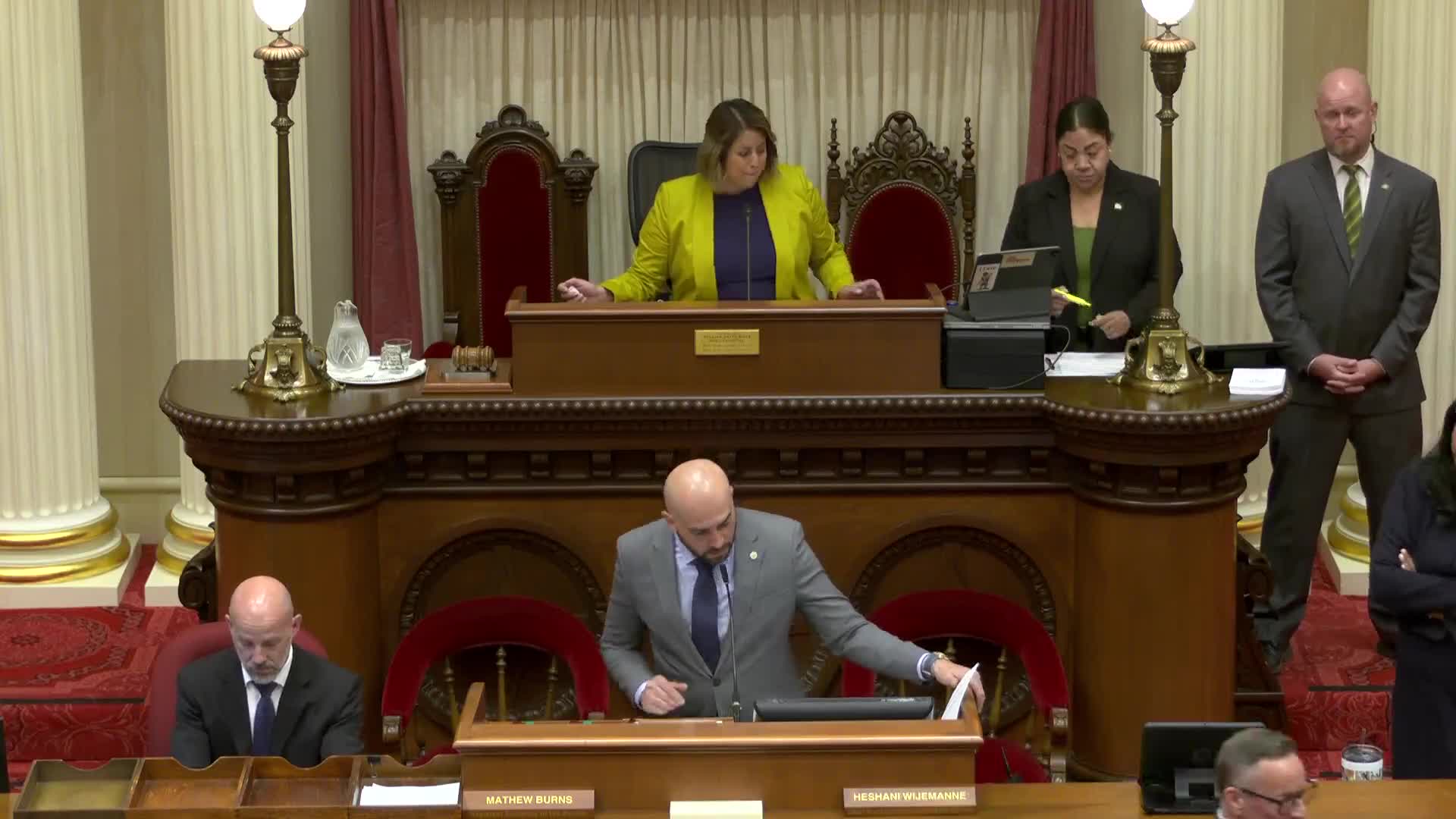
Senate proclaims May 2025 Affordable Housing Month as members press for funding and production
Summary
The California State Senate adopted Senate Resolution 46 recognizing May 2025 as Affordable Housing Month. Lawmakers used the debate to press for more funding, to tie production goals to financing solutions and to highlight the crisisincluding targets such as building 300,000 units per year and financing needs identified by authors.
The California State Senate on the floor adopted Senate Resolution 46, proclaiming May 2025 as Affordable Housing Month and urging renewed legislative attention to housing production and financing.
Senator Cabaldon, the resolutionauthor, said California remains in an "affordable housing crisis," noting only 17% of households can currently afford the average home and that many renters are "rent-burdened," spending more than 30% of income on housing. Cabaldon called for a combination of permitting, zoning and funding actions, and referenced the Veterans and Affordable Housing Bond Act of 2018 as an example of voter-approved financing the state has used for investment.
The resolution prompted a broad floor discussion. Housing Committee Chair Senator Wahab emphasized prioritizing affordable housing and ownership opportunities, and flagged seniors as the fastest-growing homeless demographic needing targeted attention. Senator Grove warned that some state policies can raise development costs, citing accessory dwelling unit permitting expenses and rising home price medians. Senator Blakespear and others reiterated the shortfall in annual housing production versus the 300,000 units per year target described by proponents.
Senator Ott, a coauthor, and Senator Wiener both urged an "all-of-the-above" approach: preserving and expanding subsidized housing while also increasing market-rate supply. Several senators urged that affordability be required, not optional, in housing bills and emphasized that financing is the principal constraint to delivering deed-restricted units at scale.
The resolution text recognizes the scale of the crisis and calls for continued policy and funding action; it does not itself change law or allocate funds. The Senate adopted SR 46 by roll call (Aye 32, No 0). The sponsor and members said they expected follow-up during the June budget process to translate the resolution's goals into specific funding and policy measures.
Why it matters: Senators framed the month-long recognition as a call to action ahead of budget negotiations. Members pressed both for additional state financing and for regulatory changes to speed production, while some members cautioned that policy choices can raise building costs and that targeted supports are needed for seniors and middle-income households.
Looking ahead: Senators said the resolutionSR 46is a prelude to budget and policy work in June, when proponents expect more specific proposals on bond financing, incentives and protections to be debated.