Get Full Government Meeting Transcripts, Videos, & Alerts Forever!
Get email alerts on the Public Transit topic
No spam. Unsubscribe anytime.
Council and commission coalesce around START bus plan; staff to proceed with hybrid/diesel mix
Summary
Town and county staff recommended a fleet approach that mixes hybrid and diesel buses; both bodies signaled support for the staff-recommended option (two hybrid vehicles plus four diesel buses) and discussed renewable diesel and schedule risks tied to fully electric procurements.
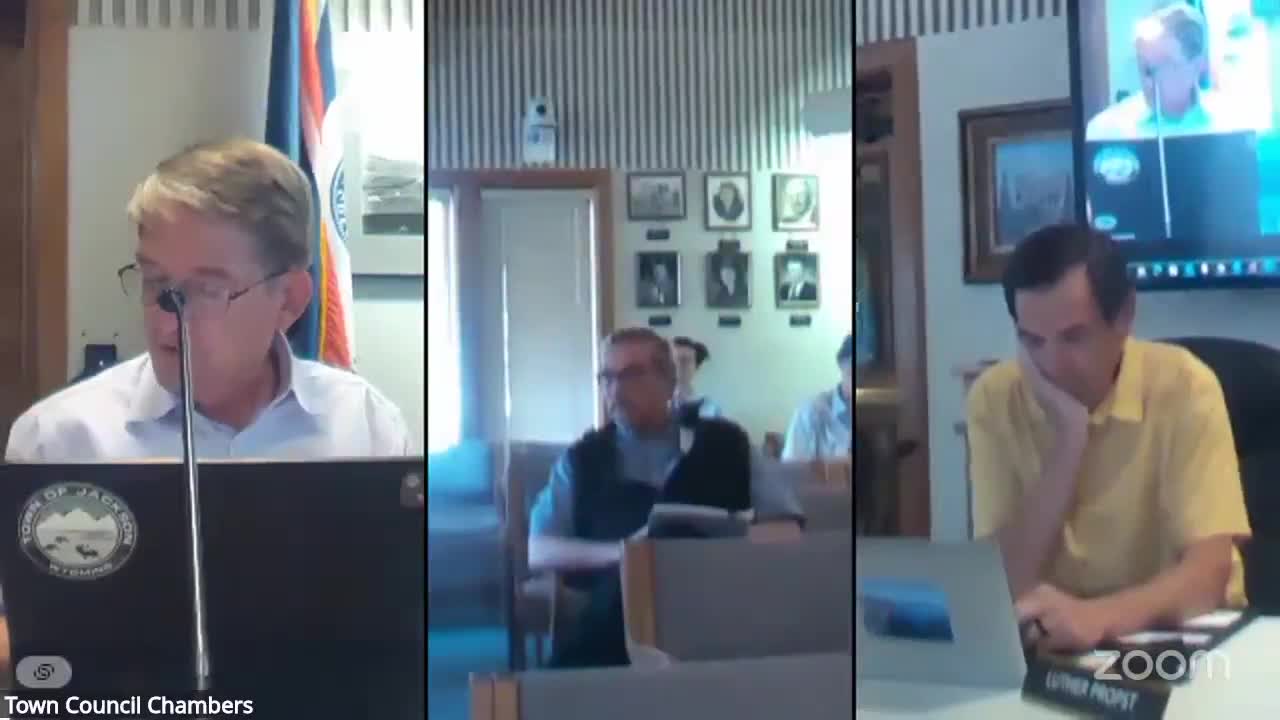
Town and county officials discussed START bus procurement and fleet strategy during the June 2 joint meeting and signaled support for the staff recommendation to purchase a mixed fleet that includes hybrid-electric and diesel buses while pursuing renewable diesel options and continuing coordination with federal funders.
Deputy staff and START representatives explained that the staff-recommended option — purchasing two hybrid-electric buses and four diesel buses — balances technology adoption, delivery timeline and funding constraints. Staff noted prior issues with certain battery-electric vendors and that diesel buses can be delivered sooner; hybrid vehicles would provide a moderated step toward electrification while allowing operators and maintenance staff to gain experience with new systems.
Council and commissioners discussed the climate and operational trade-offs. Councilmembers and staff said they are evaluating renewable diesel (a drop-in fuel sometimes called “renewable diesel” rather than the biodiesel/ethanol term) and clarified winter blend limits: ecosystem stewardship staff said a 10% winter blend is a conservative start because of local cold-weather limits, and that higher blends may be possible in other seasons. START staff said they are participating in those fuel discussions.
The boards also discussed federal grant constraints. Staff advised there is a risk to changing vehicle technology selection on vehicles funded by federal grants; the local FTA (Federal Transit Administration) office has advised limiting changes and required formal approvals for major amendments. Staff said they are awaiting formal written direction from FTA on a small set of outstanding procurement issues related to prior Proterra vehicles and other procurement technicalities; a waiver has been granted in at least one other agency’s case for early retirement of a federally funded vehicle, but Teton County/Town staff await formal FTA guidance before initiating major deviations.
Elected officials indicated general support for the staff recommendation (two hybrids, four diesel) as a pragmatic path that balances sustainability goals, vehicle delivery timelines and budget risks. Staff emphasized that both jurisdictions will still need to adopt final budget language in their separate budget processes and that any further changes could require FTA approval and risk to grant funding.
Ending: Staff will proceed with the recommended procurement approach while continuing to pursue renewable diesel options and seeking formal FTA guidance on any required grant amendments. Both bodies treated the item as their final joint budget discussion and will finalize detailed budget decisions in their separate upcoming budget adoption meetings.