Get Full Government Meeting Transcripts, Videos, & Alerts Forever!
Get email alerts on the Student Attendance Truancy topic
No spam. Unsubscribe anytime.
Salt Lake School District reviews attendance, clarifies SRO role and expands pilots to reduce chronic absenteeism
Summary
District staff told the school board that chronic absenteeism in the Salt Lake School District remains above state and national averages, no students have been referred for truancy since 2020, and the district plans audits, training and small pilots (including a Sherpa pilot) to improve attendance tracking and interventions.
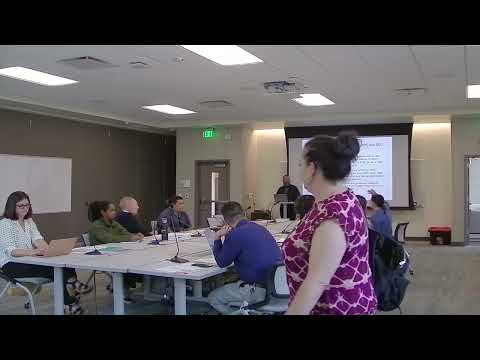
Dr. Taylor, a district staff member presenting on attendance and truancy, told the Salt Lake School District board during a study session that the district is focusing on training, auditing attendance input and scaling small pilots to address chronic absenteeism that exceeds state and national averages.
The presentation, requested by board members, summarized definitions the district uses — distinguishing truancy (unexcused absences past a statutory threshold), chronic absenteeism (all absences, excused or unexcused), excused absences (illness, religious observance, approved family events) and unexcused absences — and reviewed required tiered interventions and documentation schools must follow before referring a student for truancy.
The discussion mattered because the district’s board set a goal to reduce chronic absenteeism from roughly 28% to 10% by 2029 and because board members said they hear from teachers, parents and principals that procedures are not consistently followed. "We have to monitor input through PowerSchool and do periodic audits," Dr. Taylor said, describing planned fidelity checks of attendance data and training for site-based teams.
Why it matters: chronic absenteeism affects instruction for students across grade levels and, district staff said, can be driven by engagement, family barriers and the lingering effects of the COVID pandemic. Board members pressed staff on gaps between district policy and what school personnel report hearing at their sites — including claims that some faculty were told not to report truancy or that students can excuse themselves using an online form.
Key details from the presentation and board discussion
- Definitions and legal framework: Dr. Taylor reminded the board that Policy S4 (student attendance) promotes early, supportive, nonpunitive interventions and that the district’s SRO (school resource officer) agreements and the Winston settlement define separate scopes of authority for administrators and SROs. He said that unlawful drug use or sale at school may be referred to SROs, while truancy and attendance interventions are an administrative responsibility until statutory thresholds and required interventions have been met.
- Moratorium and statute: The presentation noted that language limiting truancy enforcement was removed from state code on May 3, 2023 (HB 304), reversing an earlier moratorium. Dr. Taylor said that the intent of SRO provisions and agreements is preventive rather than punitive and to ensure statutory interventions are implemented before criminal referrals are considered.
- Data, auditing and procedures: The district reported difficulty finding records of truancy referrals in its PowerSchool logs; staff said they located essentially no referrals since 2020. Dr. Taylor and board members said this may reflect gaps in how schools record absences, inconsistent procedures across sites and the fact that many absences are recorded as excused. Staff proposed periodic audits of PowerSchool entries, retraining site teams on required documentation (detailed attendance logs, intervention records and meeting summaries) and monitoring fidelity of implementation.
- Training and staffing: Staff recommended "training, training and more training" for principals, counselors and office staff and said the district uses a train-the-trainer model. Board members questioned whether that model is sufficient and asked for a dedicated vector (online) training module focused on attendance procedures and targeted audiences (attendance secretaries, site teams, administrators). Board members also discussed adding personnel focused on family–school collaboration and student navigation, citing past programs that connected families to schools and the resource intensity of one-on-one re-engagement work.
- Pilots and programs: The district is piloting an AI-based notification system (referred to as Sherpa) in 11 schools to send attendance alerts to families and to test effectiveness. Dr. Taylor suggested adding an alert for when an absence is recorded as excused so parents would receive immediate notice. The district also named Insight as a referral process for vaping and described partnerships with community groups (named in the presentation as United Way/Promise Partnership and others) for student navigators and success coaches in pilots.
- Elementary and secondary differences: Board members emphasized that chronic absenteeism affects elementary as well as secondary schools and that earlier intervention at the elementary level is critical. They also noted that parents of older students often cannot compel attendance and that truancy referrals can bring supports in some districts; several board members asked staff to compile a list of supports available when students are referred for habitual truancy so teachers and families better understand what referrals provide.
- Practical clarifications discussed on procedure: staff said midyear enrollees are prorated for chronic absenteeism calculations; vaping/e-cigarette incidents generally should be handled internally (confiscated and routed to the district process) while illegal drug sales may be referred immediately to SROs; and schools must document at least three interventions before issuing a truancy notice, with mediation and outside services offered when notices are sent.
Ending: Board members asked staff to return with clearer written guidance, a proposed targeted training module in the district’s vector system, results from PowerSchool audits and an inventory of resources tied to truancy referrals. Staff said a district employee focused on attendance work will start in July and that the district will continue pilots and targeted professional learning while developing a dashboard for the board to track progress against the board’s attendance goal.