Get Full Government Meeting Transcripts, Videos, & Alerts Forever!
Get email alerts on the Gentrification topic
No spam. Unsubscribe anytime.
Residents recall Barrio Viejo history and warn gentrification is changing downtown Tucson
Summary
Speakers in the meeting transcript described Barrio Viejo as a historically multiethnic neighborhood and warned that development and rising property values have altered its character, pointing to parking lots, lost markets and high-profile home sales.
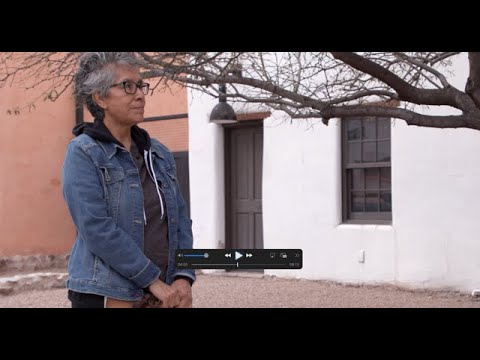
A resident in the meeting transcript said Barrio Viejo in downtown Tucson was once a distinctly multiethnic neighborhood and warned that recent development and rising property values have changed its character.
The speaker said her paternal grandmother, Ata Gracia Otero, lived in the neighborhood in the early 1900s and that family members were born in Tucson’s Barrio Viejo. The speaker said her grandmother supported herself after her husband died by selling bootleg alcohol and was arrested; the family’s address was recorded in the neighborhood, the speaker said.
The comments placed the neighborhood’s change in a longer context. “Most Tucsonenses who have lived in Tucson for more than 50 years have a connection to La Calle and this place,” the resident said, adding that Barrio Viejo once included a mix of Chinese American, African American and Spanish-speaking residents. The speaker also said schools discouraged children from speaking Spanish on the playground.
Those who spoke in the transcript pointed to civic and market changes that they said altered the area’s feel. The speaker said a program passed by Tucson voters in 1966 was intended to bring more people downtown, and that city efforts to remake downtown also favored parking and tourist-oriented changes over neighborhood life. She described former family homes replaced by parking lots for the Tucson Convention Center and noted that buildings which were nearly worthless decades ago now sell for high prices.
The transcript referenced one high-profile sale. “This is the house that now we know as the Diane Keaton House,” the speaker said, and noted news accounts reported the house sold for more than $1 million. The speaker said many small adobe units in the area were combined into larger houses and that earlier market and publicity changes had made the neighborhood less welcoming to longtime residents.
The resident described a loss of everyday activity: fewer people walking the streets, lost markets and a different mix of newcomers who have preserved houses but not the neighborhood’s social life. “We don’t see any people walking here anymore,” the speaker said, and added that driving an elderly relative through the neighborhood prompts reminiscence but not the same energy the speaker remembered.
At the end of the remarks, the speaker said neighborhood groups are organizing in response. “The Barrio Coalition is coming together and they’re aware of what happened here,” she said, and described that mobilization as motivating adjacent neighborhoods to voice concerns about similar changes.
The remarks in the transcript were presented as personal recollection and community observation; the transcript records no formal votes, directives or staff actions tied to these comments.