Get Full Government Meeting Transcripts, Videos, & Alerts Forever!
Get email alerts on the Childrens Justice Center topic
No spam. Unsubscribe anytime.
Grand County approves purchase of permanent home for Children’s Justice Center
Summary
Grand County commissioners voted to buy a house in Moab to serve as a permanent Children’s Justice Center after state CJC officials and local law‑enforcement and survivors’ advocates said the current space is inadequate for trauma‑informed forensic interviewing and medical exams.
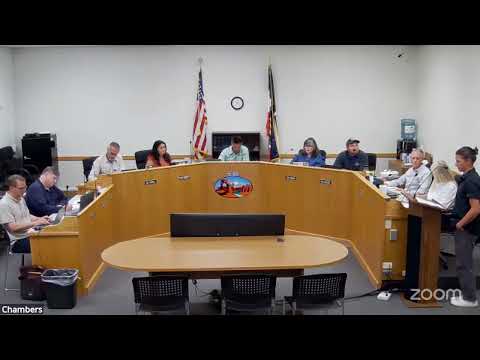
Grand County commissioners approved purchase of a Moab home to become a permanent Children’s Justice Center, voting to move forward after presentations from the Utah CJC program and public supporters.
The purchase was approved by motion and second and passed on a vote; commissioners voted to buy the property described as parcel number 02‑0SDE‑0023 (2473 Vista Grand Drive, Moab). The state has committed a one‑time grant to help fund the acquisition and the agreement includes a return‑of‑funds clause if the county later repurposes or sells the building.
Why it matters: county and state officials described the center as the location where forensic interviews and medical exams for child abuse victims occur. Prosecutors and investigators said a facility sized and configured for trauma‑informed care improves evidence collection, protects victims’ privacy, and reduces the need for children to repeat traumatic accounts.
State deputy director Heather Stewart of the Utah CJC program told commissioners the current leased space in Moab is “woefully inadequate” and that, because of one‑time legislative funds, “we have this timely and unique opportunity to give the CJC a permanent location owned by the county to replace the existing space.” She said the building under consideration is comparable in size to CJC facilities in other rural Utah counties and that state funding would have to be returned if the county discontinued use as a CJC.
County attorneys, prosecutors and victim‑service advocates urged approval. Grand County’s county attorney (speaking in support) said the CJC is where children begin the path to healing and where properly conducted interviews can make the difference in whether serious criminal charges are filed. Several residents — including people who said they had personal experience with the CJC or worked in victim services — also spoke in favor of buying a facility sized to meet the county’s caseload and safety standards.
Opposition and fiscal questions: a handful of commissioners and at least one speaker urged caution over the price and features of the specific house the county proposed to buy, calling parts of the listing “opulent” and saying the county could find less expensive properties that would meet the program’s needs. Commissioners discussed other homes that had been considered and the cost tradeoffs.
Vote and next steps: Commissioner McCurdy moved to approve the purchase; Commissioner McCandless seconded. The motion passed with six votes in favor and one abstention. The county will complete necessary closing steps and work with the state CJC program on the contract and conditions tied to the state one‑time funding. The county attorney and administration said they will bring follow‑up implementation details and any required minor adjustments back to the commission.
The state official and the county’s CJC director emphasized that the facility must be maintained and operated to national standards and cited the National Children’s Alliance guidance that CJC facilities be “psychologically and physically safe for children, teens, and families” and be appropriate for forensic interviews and medical exams.
Ending: With the purchase approved, county staff said they will proceed to closing and return to the commission with implementation details and any required site modifications to make the house suitable for forensic interviews, medical exams and multidisciplinary team meetings.