Get Full Government Meeting Transcripts, Videos, & Alerts Forever!
Get email alerts on the High Speed Rail topic
No spam. Unsubscribe anytime.
High‑speed rail authority presses for stable funding; inspector general flags Merced‑to‑Bakersfield as critical
Summary
The High‑Speed Rail Authority sought continued multiyear funding in the May Revision and discussed securitization and private investment. The authority said $1 billion per year would enable progress; the inspector general and LAO said remaining gaps, schedule risks and right‑of‑way issues require more detail before legislative reauthorization.
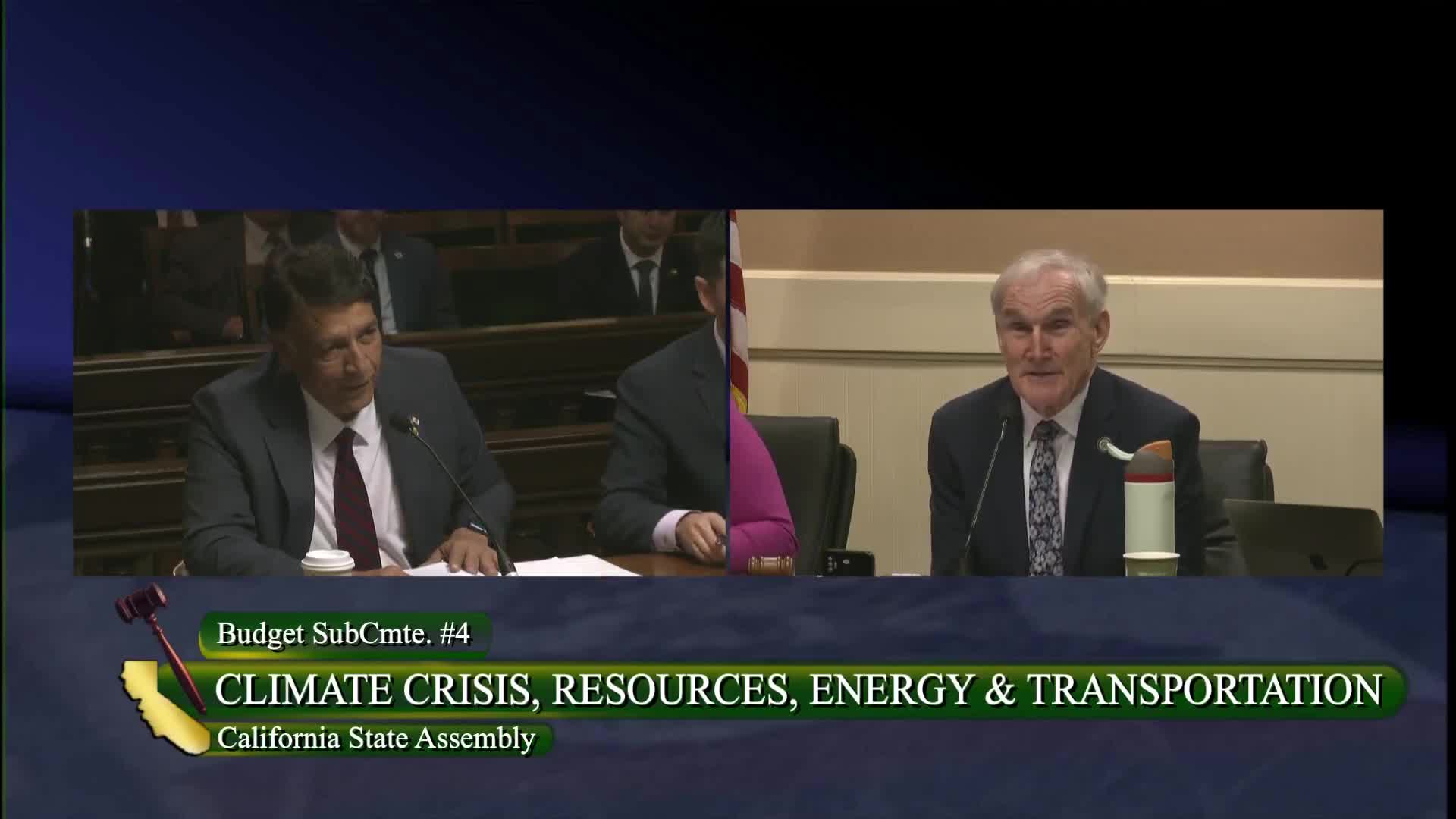
The High‑Speed Rail Authority and the governor's team urged the Assembly Budget Subcommittee to support an ongoing funding commitment to finish a Merced‑to‑Bakersfield initial operating segment, while the authority’s new inspector general and the Legislative Analyst’s Office cautioned that key cost, schedule and right‑of‑way risks remain.
CEO Ian Choudhury told the panel the authority's reassessment set an updated cost range for Merced‑to‑Bakersfield at roughly $34.9 billion to $38.5 billion and that a dedicated funding stream of at least $1 billion annually (the governor’s May Revision proposal) would allow continued progress and create options for financing and private‑sector participation. "Sustained and stable support is critical," Choudhury said, and the authority said it was exploring procurement changes and direct materials purchasing to control escalation.
Ben Belknap, inspector general for the project, said completing the Merced‑to‑Bakersfield segment is essential to any credible Phase 1 (San Francisco‑to‑Los Angeles) plan and emphasized immediate cash‑flow needs. "The authority needs some sort of revenue securitization or loan," Belknap said, noting the authority's revised cost estimate increased the funding gap and that federal grant risks remain. He told lawmakers his office would review the revised cost estimate, schedule and the authority's claimed cost‑savings measures.
The Legislative Analyst's Office told the committee the authority's March 1 Project Update had omitted information and that the OIG had identified omissions; LAO staff said the authority's updated estimate increases the funding gap to roughly $10 billion and questioned whether $1 billion annually, without securitization, can close short‑term cash needs. "There's a significant funding gap," LAO analyst Helen Kersey said.
Authority staff said the authority expects private‑sector interest and planned a request for expressions of interest; the authority argued that private capital could accelerate construction and commercialization of station‑area real estate. Choudhury said the authority would issue an RFEI and expected responses within months.
Members pressed for more specifics. Several, including those whose districts lie along the corridor, expressed frustration about right‑of‑way and utility conflicts and the cost of delays. The inspector general said slow internal review times and an imbalance at the negotiating table with third parties contributed to acquisition delays. Committee members asked for details on parcels needing acquisition and said they wanted a clearer plan before endorsing the administration’s proposed multiyear funding.
Public commenters were split: labor unions and construction trade representatives emphasized jobs and local economic benefits; county representatives and some members said costs and scope have grown and urged caution. The committee did not make a funding decision and asked the authority and the administration for additional schedule, cost, securitization and right‑of‑way detail before any legislative action.