Get Full Government Meeting Transcripts, Videos, & Alerts Forever!
Get email alerts on the County Finance topic
No spam. Unsubscribe anytime.
Commissioners push earlier payables posting and question several large bills, WIC purchases and vehicle use
Summary
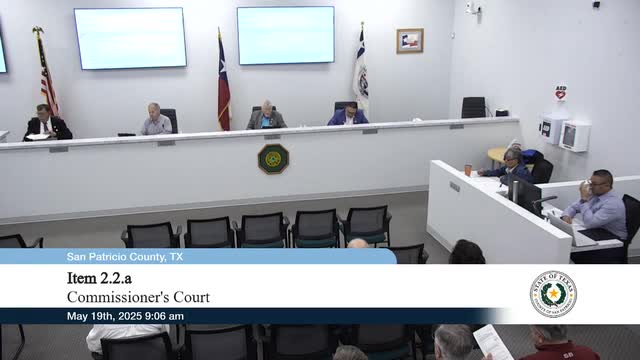
A commissioner pressed county staff to post bills earlier and explained concerns after finding a large vendor charge in the bills (including purchases tied to the WIC program), and the court agreed to move the payables posting cutoff earlier beginning June 4 so commissioners can review items before meetings.
One commissioner raised concerns about late posting of payables and unexpected line-item charges in county bills, prompting the commissioners court to agree to move the payables cutoff earlier to allow more review time.
A commissioner said he received multi-page bills only over the weekend and had to review 35 pages of payables, noting an unusual jump in one department’s weekly spending from about $2,500 to a single bill of $17,000. He listed items that surprised him from a vendor tied to WIC (Women, Infants, and Children): "luggage . . . computer pouches and garden benches," and told the court he expected WIC purchases to be diapers and formula rather than promotional or non-program items. He also questioned large mileage totals and underused county motor-pool vehicles parked at the courthouse while staff reported personal mileage reimbursements.
Commissioners and staff discussed timing. Auditor and staff agreed to a revised schedule: payables will have a new cutoff of Wednesday at noon for placement on the Thursday agenda, with the first new cutoff set for June 4 and the revised process to begin with the June 9 meeting cycle. The auditor said the office can move the posting date up by one day starting in mid-June so commissioners can review payables while department heads and staff are still available to answer questions.
The court did not withhold payment of the bills but directed staff to provide clearer documentation and earlier access so commissioners can review expenditures and ask questions before votes.