Get Full Government Meeting Transcripts, Videos, & Alerts Forever!
Get email alerts on the City Budget topic
No spam. Unsubscribe anytime.
Central Falls finance director outlines FY26 budget after 2024 property revaluation
Summary
Finance Director Mary told the City Council the FY26 budget reflects a 2024 statistical revaluation that raised property values sharply; the city lowered tax rates by 30% but kept the levy increase below the state maximum while accounting for pension obligations and ongoing capital projects including the new high school and El Centro.
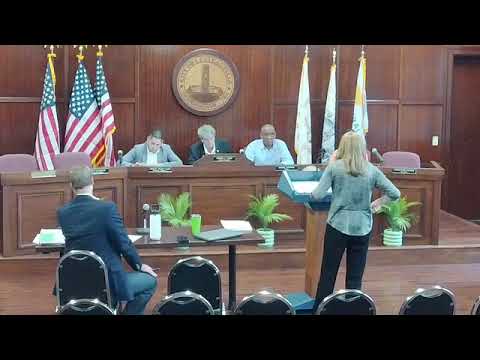
Finance Director Mary presented the finance department's portion of the proposed fiscal year 2026 budget at a Central Falls City Council meeting, saying the budget incorporates results of a 2024 statistical property revaluation and aims to balance city needs with cost containment.
Mary said the revaluation raised assessed values across property classes: single-family owner-occupied properties rose about 34 percent, 2–5-unit multifamily properties about 48 percent and commercial properties about 36 percent. "Our budget reflects the effects of the statistical revaluation that was done in 2024," Mary said. She added that the increased assessments allowed the city to lower property tax rates uniformly by 30 percent, but that the overall tax levy still had to rise to cover inflation, maintenance of assets and wage increases; the levy increase, she said, remains below the state-mandated maximum.
The finance director told council members that pension and other post‑employment (OPC/OPEB) obligations continue to be a substantial budget pressure. Mary said the finance team worked with the state treasurer’s office to confirm the city's actuarially required contribution and that the FY26 budget reflects the contribution amounts provided by the state.
Mary listed department and interagency accomplishments the finance team supported, including timely completion of the FY24 audit with Markham (the audit kickoff for FY25 was also noted) and grant administration tied to major capital projects. She cited the new high school construction and the El Centro project as examples of cross‑department teamwork that required bond issuances, state approvals and close grant reporting. "Our partners are at the district, they're at the state. Our design and construction team have been in lockstep every step of the way," Mary said.
During questions, council members asked for clarifications on staff roles in the tax office and on specific line items. Mary identified Carolina as the tax assessor clerk who maintains property records and Amanda as the tax collection clerk who applies large mortgage company payments. She also explained that some collection agency fees previously coded as an expense are treated as revenue offsets in the FY26 presentation.
The finance director closed by reiterating the department's FY26 goals—teamwork, cross‑training and timely audit completion—and offered to support other departments as their budget items are discussed. The council proceeded to department‑level budget presentations for public works, planning, human resources and constituent services.