Get Full Government Meeting Transcripts, Videos, & Alerts Forever!
Get email alerts on the Budget topic
No spam. Unsubscribe anytime.
Douglas County previews proposed 2026 budget, schedules July hearings
Summary
County staff gave commissioners an informational preview of the proposed 2026 budget, outlining revenue trends, fund structure and a timeline for hearings and deliberations beginning July 7.
Douglas County staff provided the commission with a work-session preview of the proposed 2026 budget, outlining revenue trends, major funds and a timetable for public hearings and deliberations beginning July 7.
The session was informational only — no actions were taken — and staff said a full proposed budget book is expected to be released to commissioners and media in late June, with public budget hearings scheduled to start July 7 and deliberations to follow in mid-July. Staff noted a July 20 statutory deadline to notify the county clerk if the commission intends to exceed the revenue-neutral rate.
County staff framed the 2026 draft around three persistent pressures: inflation, continuing competition in the labor market and rising service demand. Staff said the general fund remains the county’s largest operating fund and is primarily supported by property tax revenue; employee benefits historically have been budgeted outside the general fund.
On revenue trends, staff reported assessed valuation growth for the 2026 budget at 5.7%, compared with a five-year average of 7.7% and a 10-year average just under 6%. Sales-tax receipts for 2024 were reported at just over $9.7 million, an increase of roughly 0.64% over 2023. Investment income showed a large swing in recent years: staff reported 2024 investment income of about $7.5 million versus an adopted 2025 budget assumption of $4.7 million; the 2025 reestimate was described around $6.5 million and staff noted average portfolio yields near 4.18%.
Staff walked commissioners through the county’s fund structure — including the general fund, road and bridge, motor vehicle operations, a 1-cent county sales tax fund used for debt service, and the behavioral health projects fund — and explained that some funds are governed by state statute (for example, gas tax segregation and the assessed-valuation/mill-levy process). Staff said motor vehicle fees are set by the state and do not fully cover local vehicle-registration costs, effectively requiring a local subsidy.
The presenter said departments and community partners submitted 58 supplemental requests totaling about $10 million; staff estimated approximately $6.1 million of partner requests could be eligible for behavioral-health sales tax funding, while available room inside that revenue source is constrained. Staff emphasized the volatility of some revenue streams — notably investment income — when describing options and recommended commissioners engage early in the public process.
Staff outlined the schedule: proposed budget release to media targeted for June 27, hearings beginning July 7, deliberations in mid-July and a consolidated five-year CIP adopted with the budget. Staff said a more detailed CIP project list would follow the proposed release and be available before a deeper review session planned for July 30.
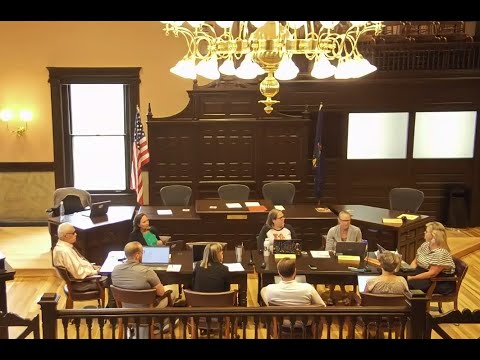
The work session included multiple staff presenters and commissioners, and staff asked the public to provide input early in the process rather than waiting for mailed notices. The meeting was recessed to the 5:30 p.m. business meeting at the end of the session.