
Presenter urges United Nations seaweed task force to scale seaweed- and plankton-based products
Get AI-powered insights, summaries, and transcripts
Subscribe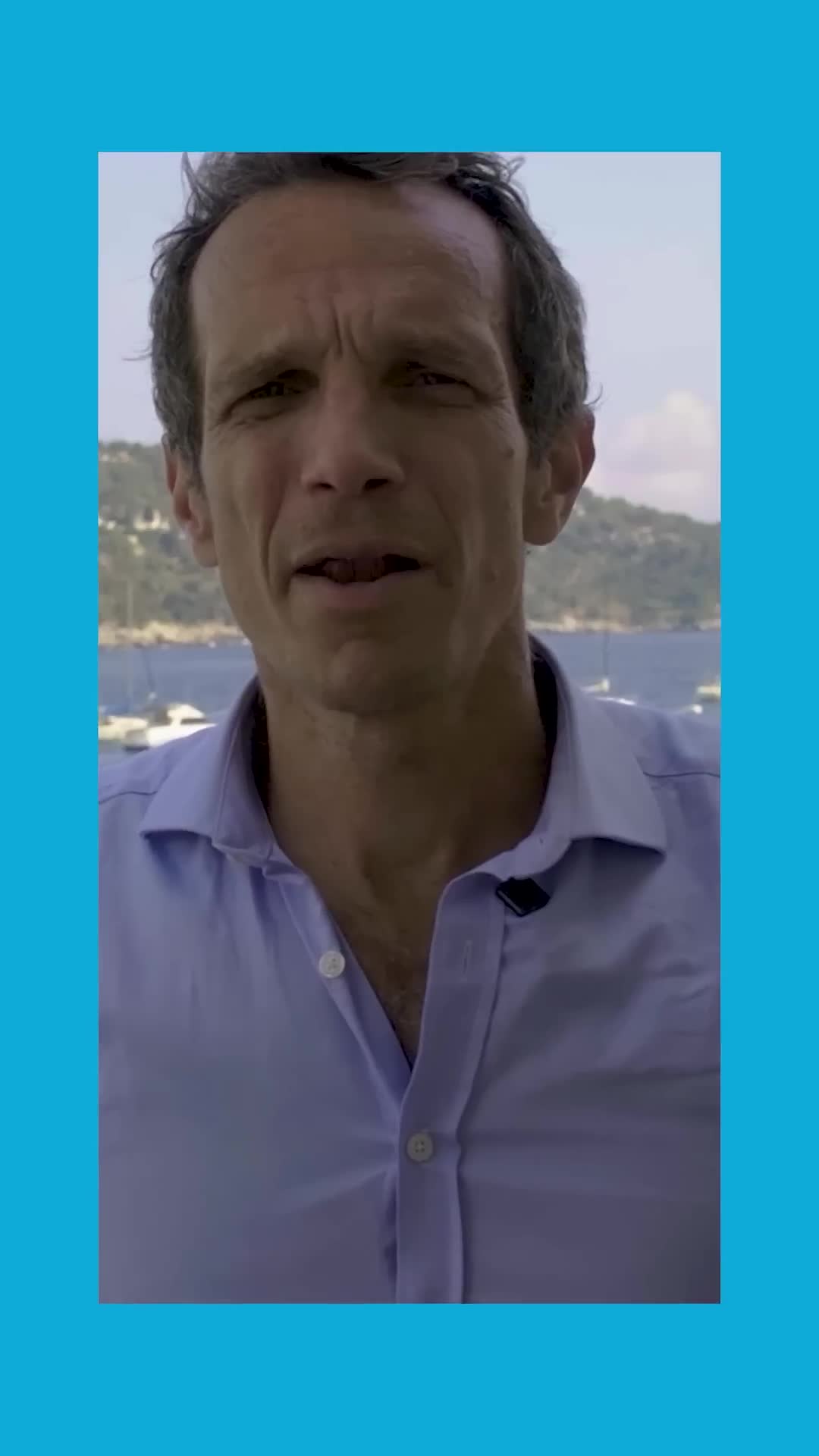
Summary
At a conference, a presenter described seaweed and plankton as major untapped sources for sustainable materials and said they hope to unveil a United Nations seaweed task force supported by member states and six agencies, with a draft to be released at the next U.N. General Assembly.
An unnamed presenter at a conference said plankton and seaweed could become large-scale, sustainable sources for materials and consumer goods and called for a United Nations seaweed task force to coordinate that effort.
“Plankton and seaweed are the greatest untapped resource we have, on this planet and the solution to some of our greatest challenge of our generation. Plankton and seaweed are the source of new material. These sunglasses are made in plankton. This T shirt is made in seaweed. No need for any water, no need for pesticide, all seaweed based,” the presenter said.
The presenter showed examples of products made from plankton and seaweed, saying the materials can be used for apparel and eyewear. They also described packaging and food applications, noting an example of a sachet of olive oil made from seaweed and calling the packaging edible and “pure seaweed, not even plastic.”
The presenter said the conference aims to lead to a formal United Nations seaweed task force. They said they “hope from this conference that we will unveil, a new UN seaweed task force supported by member states and 6 different agencies with a draft to be released at the next UN General Assembly so we have a proper vehicle to support this seaweed revolution,” identifying a draft timeline for presentation at the next U.N. General Assembly. The speaker did not identify specific member states or the six agencies, nor did the presenter offer a timetable beyond the reference to the next General Assembly.
No formal vote, resolution, or other decision was recorded in the transcript. The remarks in the transcript were a conference presentation and therefore represent a proposal and advocacy rather than an enacted policy or an official United Nations action.
If the task force proceeds, additional details—such as which U.N. agencies would participate, funding sources, regulatory pathways for edible packaging, and member-state sponsorship—were not specified in the presentation.