
Presenter outlines signs of workplace hate speech and steps for targets and bystanders
Get AI-powered insights, summaries, and transcripts
Subscribe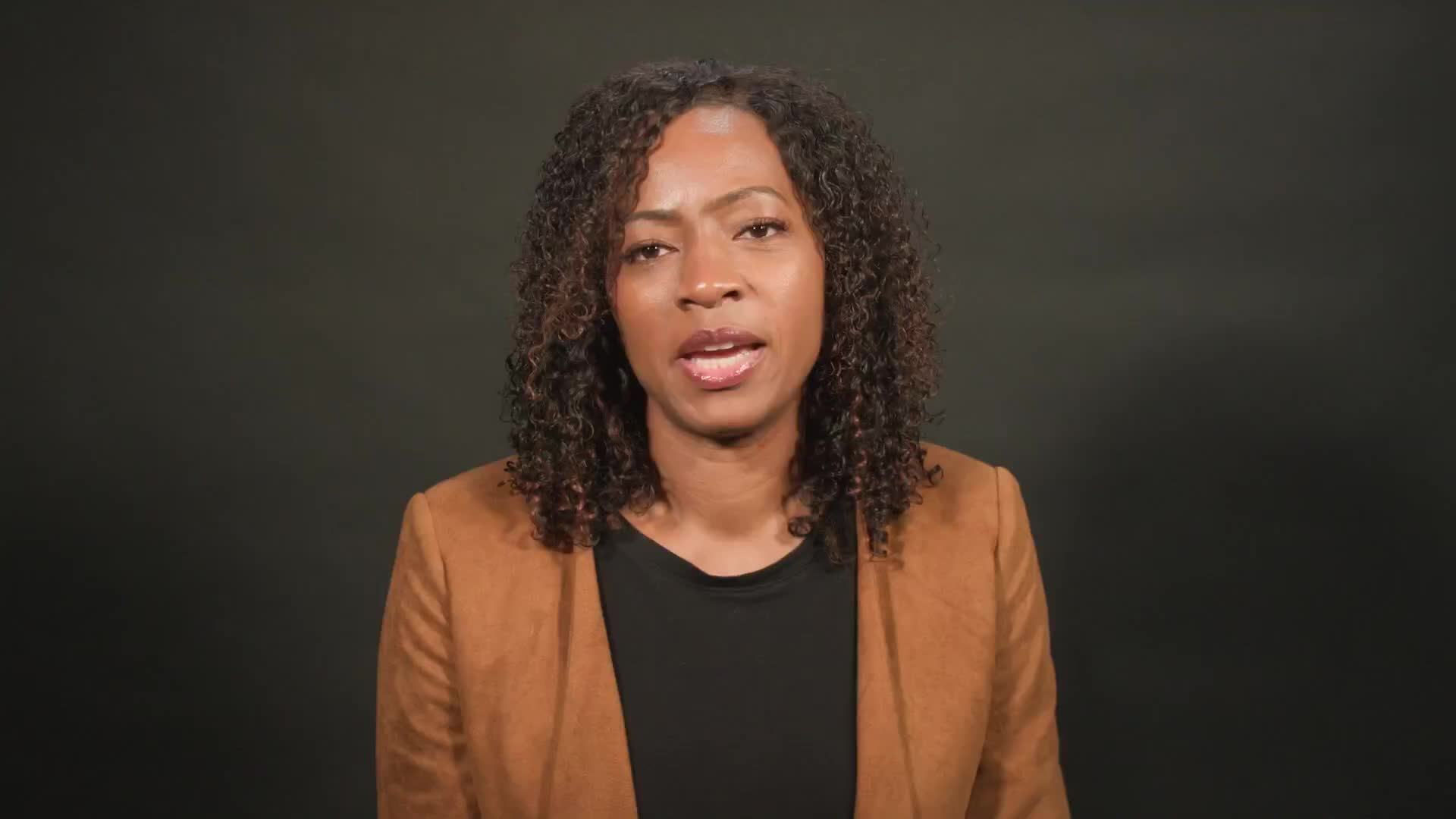
Summary
A presenter defined hate speech as discriminatory communication targeting protected characteristics, described psychological impacts and workplace harms, and urged documentation, support-seeking and bystander intervention.
A staff member (presenter) said hate speech in the workplace "can be manifested in different ways," describing it as communication — verbal, indirect or behavioral — that targets an individual or group because of characteristics such as race, orientation, age or disability.
The presenter said targets often face strong emotions and recommended immediate steps: try to remain calm, seek support from an ally, point out that the behavior is unacceptable if safe to do so, and document incidents. For those who witness abuse, the presenter urged active bystander behavior rather than passivity, advising a brief pause to collect thoughts and then to report or address the conduct.
The presenter summarized common forms of hate speech as verbal slurs, social media posts and written communications that convey derogatory content, and said it can also show up as exclusionary behavior. "It could also manifest behaviorally as well where a particular individual or a group is excluded from a particular topic," the presenter said.
On impacts, the presenter identified increased anxiety, depression and lowered self-esteem for targets, and said a wider effect is the creation of a toxic environment at work or at home that reduces levels of functioning. The presenter said these psychological effects can be "really profound."
Practical guidance given included taking a deep breath and walking away when necessary, finding a safe space to gather thoughts, documenting what happened, and identifying supportive resources before deciding how to proceed. The presenter repeated that everyone has a role in reducing incidents and should not be silent about hate speech.
The session focused on defining hate speech, its effects and individual-level responses; no formal policies, legal citations or organizational actions were specified in the recording.