Lifetime Citizen Portal Access — AI Briefings, Alerts & Unlimited Follows
U.N. Secretariat says peacekeeping operations have cut environmental risks, boosts renewables for troop contributors
Loading...
Summary
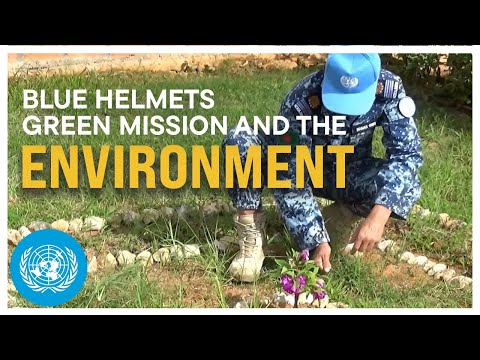
A U.N. Secretariat speaker said the U.N. has reduced environmental risks in peacekeeping by expanding waste treatment, encouraging renewable energy from troop-contributing countries and investing in host-country infrastructure, including purchases of grid power in the Democratic Republic of the Congo.
An unnamed U.N. Secretariat speaker said the United Nations has reduced environmental risks tied to peacekeeping operations by improving energy use, waste treatment and local infrastructure and by creating incentives for troop-contributing countries to bring renewable power.
The speaker told the session that the U.N. has negotiated reimbursement terms so “those troop contributing countries who bring in renewable energy will also be reimbursed, at a similar level as those who are bringing diesel generators.” The speaker added the secretariat has sought to replace older diesel generators with more efficient models and to buy electricity from local grids where available.
The changes are part of a secretariat strategy that the speaker said began in February 2015. “When we began our strategy in 02/2015, only around 20%, 19% of the waste was treated by preferred disposal methods,” the speaker said. “Today, that figure has more than doubled.” The speaker also said there is “not a single site where we are operating at high risk” from wastewater at U.N. facilities.
The speaker described steps taken in field missions to strengthen host-country infrastructure so that mission investments remain useful after a mission ends. In the Democratic Republic of the Congo, the mission is buying power from the national electricity grid, the speaker said, and in Bongi the mission “has invested in the local landfill site, which both supports the mission's operations, but also leaves something useful for the host population.” The speaker urged using local materials and building durable structures rather than short-lived prefabricated units so that schools, hospitals or other facilities will remain in use after a mission withdraws.
The speaker framed the approach as one of stewardship: “We want to leave behind a legacy,” the speaker said, contrasting treating the world as an inheritance with treating it in “trusteeship” for future generations. The speaker also noted that peacekeeping operations are among the U.N.'s largest single users of environmental facilities and that the organization must “constantly decrease the environmental footprint of our operations.”
The speaker summarized measures on energy, waste and infrastructure but did not provide a mission-by-mission breakdown or a current overall percentage for treated waste beyond saying the 2015 baseline and that the figure has more than doubled. The session also did not specify timelines for additional reductions in diesel use or exact reimbursement rates for renewable energy provided by troop contributors.