Get Full Government Meeting Transcripts, Videos, & Alerts Forever!
Get email alerts on the Public Land Management topic
No spam. Unsubscribe anytime.
Board adopts resolution opposing expanded militarization of U.S.–Mexico border
Summary
The Board of Supervisors unanimously (4–1) adopted a resolution opposing plans to transfer public lands and adopt Roosevelt Reservations that would expand Department of Defense jurisdiction along the border and risk impacts to cultural and conservation lands.
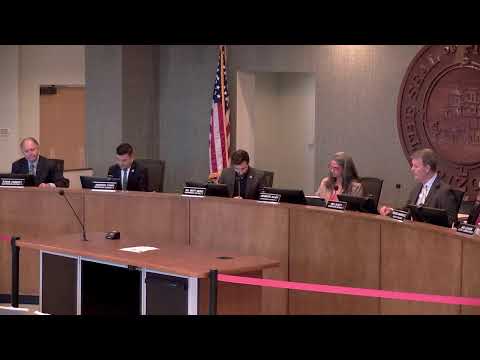
The Pima County Board of Supervisors on June 3 approved a resolution opposing federal efforts to expand militarized operations and transfer certain borderland public lands to Department of Defense control, actions that local leaders said would harm cultural resources and critical Sonoran Desert habitat.
Supervisor Jan Allen introduced the resolution and the board adopted it 4–1, with Supervisor Steve Christie voting no. The resolution directs the county to oppose waivers of federal laws that would facilitate construction in sensitive areas and asks the county’s congressional delegation to work to protect regional public lands and wildlife corridors.
Nut graf: Supporters cited potential long‑term ecological, cultural and hydrological damage, and questioned both the effectiveness and cost of additional border militarization. The Tohono O’odham Nation and others submitted letters citing sovereignty and cultural impacts.
During debate, supporters referenced recent federal waivers that excuse compliance with environmental laws during border construction and noted transfers of authority to the Department of Defense in other border segments. The board’s resolution calls for protection of ecologically and culturally important areas including the San Rafael Valley and expressly opposes turning borderlands into de‑facto military reservations.
Ending: The board asked staff to send the resolution to the county’s congressional delegation and relevant federal agencies. Supporters said the measure is primarily a political statement and advocacy tool aimed at protecting habitat and indigenous cultural resources.