Get Full Government Meeting Transcripts, Videos, & Alerts Forever!
Get email alerts on the Homelessness topic
No spam. Unsubscribe anytime.
County rolls out new encampment reporting and outreach tools, begins shelter feasibility work
Summary
Pima County launched mobile site‑inspection and outreach reporting tools for encampments and said it will develop a shelter‑feasibility plan and align services to reduce repeat homelessness and public‑safety impacts.
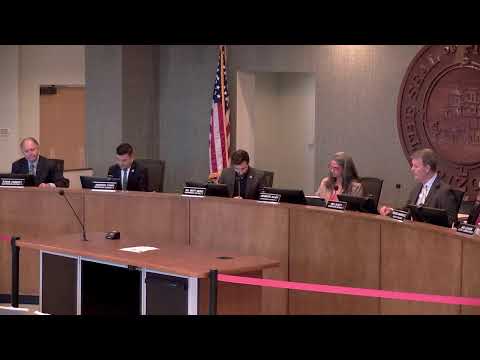
Pima County officials told the Board of Supervisors June 3 that they have started using new field reporting tools to verify and track homeless encampments and that they are launching a shelter feasibility and care‑coordination effort to reduce cycles of homelessness.
The county’s new site‑inspection and homeless‑outreach reporting surveys were rolled out in May and are being used by Regional Flood Control District crews and county outreach teams. The tools let staff record whether a report is a verified encampment, document hazards (human waste, campfires, drug paraphernalia), count people and pets encountered, and note whether outreach offers were accepted.
Nut graf: County staff said the new tools will allow verification of the hundreds of public reports the county and city receive each month, reduce duplication, and provide timely data to coordinate remediation, shelter offers, and follow‑up services.
County staff reported initial results from the May rollout: site inspections recorded 12 submitted site reports—eight active encampments and four that were not active—while outreach teams logged 27 outreach reports involving 19 people, six pets and one person who accepted services. Flood control staff noted that some previously remediated sites reappeared within 30 days.
County officials said the new reporting will be shared in near real time with relevant departments so responses can be better coordinated. The county is preparing a shelter‑feasibility work plan and said it will examine models that combine shelter access with intensive service navigation; staff pointed to local pandemic‑era examples where service‑centered sheltering produced higher rates of positive housing outcomes.
Supervisor Steve Hines and other board members emphasized that building new shelter capacity should be paired with strategies that interrupt the crises—substance use, untreated mental illness, lack of identification and benefits navigation—that keep people homeless.
Ending: The county will continue to refine the reporting tools, finalize a homeless encampment protocol and present a shelter feasibility plan. Officials said they will return with fiscal and programmatic estimates and coordinate with regional partners.