Get Full Government Meeting Transcripts, Videos, & Alerts Forever!
Get email alerts on the Public Transit topic
No spam. Unsubscribe anytime.
Pocatello Regional Transit asks Bannock County to raise annual contribution to $12,000
Summary
Pocatello Regional Transit described regional service across seven counties, steady ridership recovery since COVID and asked commissioners to increase the county contribution from $10,300 to $12,000 for the coming budget year.
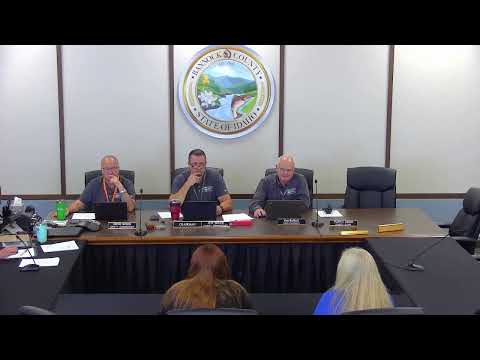
Pocatello Regional Transit (PRT) told the Bannock County Board of Commissioners it provides fixed‑route and door‑to‑door service across seven Southeast Idaho counties and asked the county to boost its annual contribution from $10,300 to $12,000.
Skyler Beebe, public transit director for the city of Pocatello, said PRT operates traditional bus routes in the urban area, Medicaid transportation, certified door‑to‑door paratransit for people with disabilities and a rural door‑to‑door program open to the general public. "We're the only agency in Idaho that offers all the traditional everything that we ... offered essentially through the Federal Transit Administration," Beebe said.
The agency described itself as the second‑largest in Idaho outside Boise and said ridership has recovered steadily since drops during the COVID‑19 pandemic. Beebe told the commissioners PRT operates in Lava, McCammon, Inkom, Soda Springs, Oneida County and other rural communities and said the system still provides routes that connect those communities to Pocatello for shopping and medical trips.
PRT officials also discussed service adjustments at Idaho State University, noting ridership fell after paid parking was introduced at Holt Arena and has been slowly rising since free parking returned. Beebe said the agency is evaluating extending service to the university's new Eames Building.
Commissioners asked how PRT compares with Idaho Falls and Twin Falls transit systems; Beebe said those systems run primarily inside city boundaries and often rely on microtransit or university‑run services, while PRT provides both fixed-route urban service and rural door‑to‑door service across eight jurisdictions. The presenters said PRT receives federal grant funding through the Federal Transit Administration and delivers Medicaid transportation contracts.
PRT asked the commissioners to consider the $12,000 figure but emphasized the final contribution was for the board to determine. Commissioners did not take a formal vote during the presentation and indicated they would consider requests as part of the county budget process.