Get AI Briefings, Transcripts & Alerts on Local & National Government Meetings — Forever.
Court of Appeals hears arguments over suppressed evidence in State v. Abanza
Loading...
Summary
Attorneys disputed whether evidence seized after a roadside arrest should have been suppressed or would have been "inevitably discovered," with judges pressing on what crime (if any) had already been committed before officers arrested the defendant.
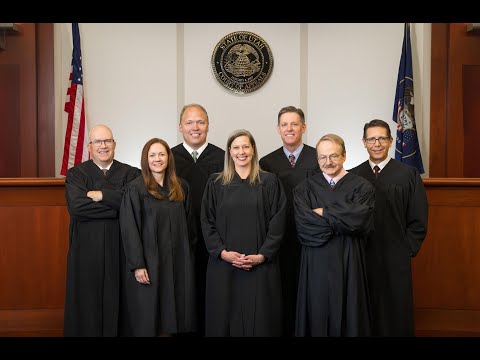
The Utah Court of Appeals heard argument in State of Utah v. Hector Abanza on whether a district court properly suppressed evidence gathered during a roadside encounter and whether the inevitable-discovery doctrine could justify admitting that evidence.
The case matters because it tests how the exclusionary rule and the inevitable-discovery doctrine apply when officers arrest a person they say showed signs of intoxication while still seated in a vehicle. The outcome could affect how lower courts handle suppression orders and how officers conduct stops in rural settings.
At oral argument, Tristan Thomas, counsel for the state, told the three-judge panel that although the district court erred in suppressing evidence, the items and observations the officers gathered would have been “inevitably” found once the defendant left the vehicle. Thomas described the setting as rural and said the roadway carried traffic at “50 to 60 miles per hour,” arguing that the defendant’s “watery, glassy eyes, slurred speech, difficulty forming complete sentences [and] the odor of an alcoholic beverage” would have been observed once the defendant exited the car.
Judges on the panel repeatedly pressed the state to identify what crime had already been committed at the time of the seizure. Judge Gregory Orm asked, in effect, whether the state was arguing evidence of a future crime rather than proof of a crime that had already occurred, saying the classic inevitable-discovery scenario involves evidence of a crime that “already happened.” The court pressed the state on whether the defendant’s mere presence in a vehicle, before walking, constituted a crime subject to inevitable discovery.
Wendy Brown, counsel for appellee Hector Abanza, urged the panel to affirm the suppression order. Brown emphasized that the district court found Abanza was not a danger to himself or others while inside the car, that the body-worn camera footage supported that factual finding, and that the record lacks evidence showing the officers would have lawfully arrested Abanza absent the challenged seizure. Brown said the district court’s ruling involved “the most severe form of a Fourth Amendment seizure” and argued applying the exclusionary rule here would deter similar police misconduct.
Both sides cited precedent in argument. The state pointed to prior Utah appellate authority interpreting inevitable discovery in juvenile contexts; Brown countered that those cases turned on facts (for example, a juvenile court pickup order) that differ from this record and therefore do not show a future lawful arrest was inevitable here. The panel also questioned the parties about the trial court’s suppressed use of statements in the record and whether the appellant had briefed prejudice on appeal.
The panel asked detailed factual questions about the roadway, the defendant’s actions while in the car, and whether officers reasonably could have waited to see whether the defendant’s conduct ripened into an arrestable offense such as public intoxication. Thomas argued the exclusionary rule’s deterrent purpose must be balanced against giving a defendant a “windfall” where evidence would have been discovered anyway; Brown responded that the record supports the district court’s finding that no crime had yet been committed and that suppression is therefore proper.
The Court of Appeals took the matter under advisement and said it would issue a written decision in due course.