Get Full Government Meeting Transcripts, Videos, & Alerts Forever!
Council approves amended Westport Building 1 plan, denies park-fee-for-retail exchange
Summary
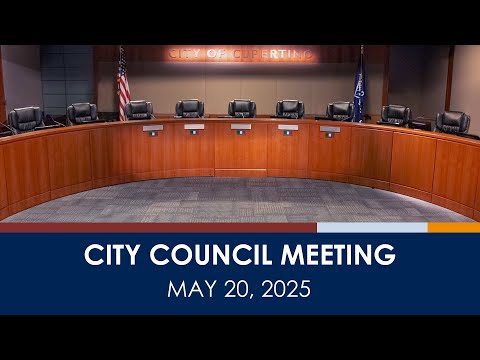
Mayor Darcy Chow and the Cupertino City Council on May 20 approved amendments to Building 1 of the Westport development — a proposed assisted‑living and memory‑care building on Stevens Creek Boulevard — adopting a CEQA addendum and entitlements while rejecting a planning‑commission contingency to refund or waive park‑in‑lieu fees in exchange for additional retail.
Mayor Darcy Chow and the Cupertino City Council on Tuesday approved amendments to the Westport development’s Building 1 — an assisted-living and memory-care building on Stevens Creek Boulevard — after hearing presentations from city staff, the developer and operators, and more than a dozen public speakers.
The council adopted a CEQA addendum and resolutions approving the development permit amendment and architectural site approval for Building 1, but removed the planning commission’s second option that would have refunded roughly $3.6 million in park‑in‑lieu fees (and waived future park fees) in exchange for adding more retail. The amended motion carried with Councilmember Mohan voting no.
City staff said the application reduces the amount of ground-floor retail on Building 1 from about 17,600 square feet originally entitled to 4,000 square feet, increases the assisted‑living unit count by 13 (from 123 to 136), uses a remaining density-bonus concession, and requests to eliminate about 50,000 square feet of underground parking. Planner John Martier told council the project would increase overall development units across all three Westport parcels from 259 to 272 and that the planning commission recommended approval 5–0 with two additional conditions related to transportation demand management (TDM) and a retail/park‑fee exchange.
Balan Simcic, senior vice president of development for Related Companies, said the developer has spent three years seeking financing and that “the project as currently designed is just not feasible for us to build.” He and other project representatives said steep increases in construction and operating costs since 2020 and weaker capital markets have made the project difficult to finance: “Construction costs are up some 42% since 2020,” Simcic said, estimating that the prior $100 million example project would cost about $40 million more today.
To reduce costs, Related proposed using a second density-bonus concession to cut retail to 4,000 square feet, add 13 senior units, remove underground parking, and request a reduction or waiver of parkland‑in‑lieu fees. Related said it already paid about $3.6 million in park‑in‑lieu fees and asked the city to waive an additional roughly $300,000 obligation tied to the new units; Related also asked for a broader $4 million reduction in park fees.
Oakmont Management Group, which would operate the senior community, described resident and staff parking patterns and proposed a TDM package that includes transit vouchers, shift staggering, bike parking, valet for off‑site resident vehicles, and subsidized ride services. Terry Irvin, Oakmont’s vice president of operations, said data from Oakmont communities show low daily resident parking use and predicted “the actual utilization rate is around 3%” for residents who drive daily.
City staff warned that a state parking law (AB 2097) that…
Already have an account? Log in
Subscribe to keep reading
Unlock the rest of this article — and every article on Citizen Portal.
- Unlimited articles
- AI-powered breakdowns of topics, speakers, decisions, and budgets
- Instant alerts when your location has a new meeting
- Follow topics and more locations
- 1,000 AI Insights / month, plus AI Chat