Get Full Government Meeting Transcripts, Videos, & Alerts Forever!
Get email alerts on the School Grants Ecoschools topic
No spam. Unsubscribe anytime.
City reports $1 million Eco‑schools grants funded projects in local classrooms
Summary
City staff reviewed the Eco‑schools (school sustainability) grant program: a $1 million RISE-funded effort that awarded grants to dozens of schools for gardens, sensors, water stations, solar projects and curriculum materials.
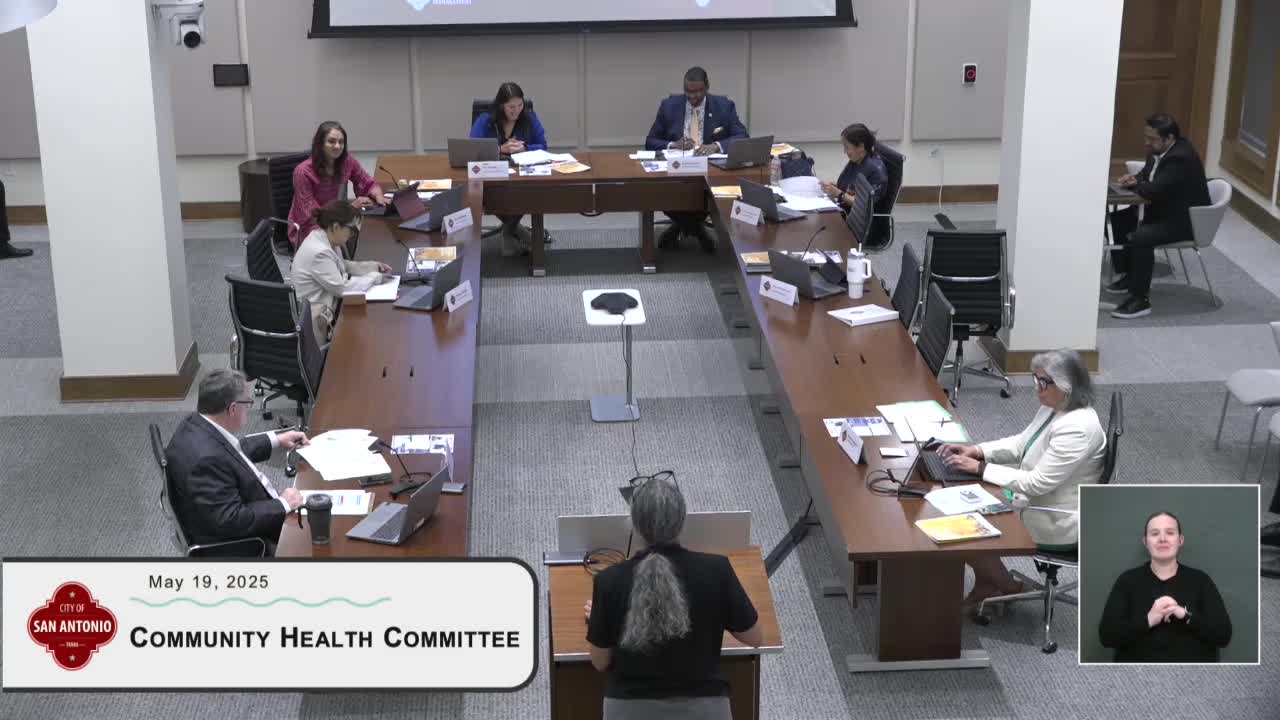
Josephine, presenter, summarized the Eco‑schools grant program to the Community Health Committee on May 19, reporting that the RISE-funded $1 million program supported physical, classroom and campus projects at local schools.
The presenter said the program was designed to be easy to apply for, to reduce barriers for teachers, and to pay a portion of project costs up front. According to the briefing, 140 schools received awards covering 145 projects, with an emphasis on physical installations teachers could show as completed work.
Staff described a wide variety of projects: food gardens and composting, water refill stations, bilingual books and curriculum purchases, small solar installations and sensors that monitor air or environmental conditions and upload data to a national database. The presentation noted that seven schools bought environmental sensors (presented cost: about $200 per sensor) and that some projects installed solar-powered features and small-scale infrastructure improvements.
Josephine said roughly 91 percent of the grant dollars — presented as about $907,000 — had been distributed and that approximately 109–110 projects were substantially complete. Staff identified two common challenges: teacher turnover and school closures, which in some cases made it impractical to finish a funded project.
Committee members praised the program’s accessible application process and asked for follow-up on participation counts and evaluation. Josephine said staff had not yet run a full survey of applicants but planned to track outcomes and share lessons learned as the program repeats.
The committee discussed potential next steps including budgeting for repeat funding, exploring low-cost sensor distribution and sharing success stories to encourage future applications.