Lifetime Citizen Portal Access — AI Briefings, Alerts & Unlimited Follows
Board votes to oppose cosmetology licensure compact amid enforcement, fraud and implementation concerns
Loading...
Summary
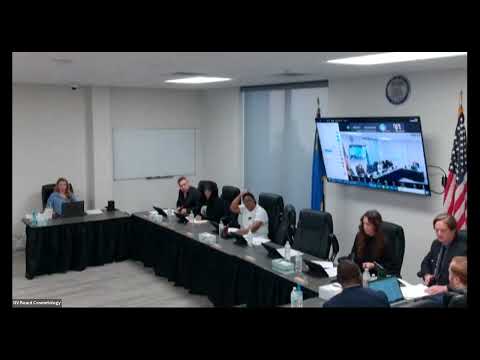
After a two-hour presentation on the proposed cosmetology licensure compact and extensive questioning on fees, fraud control, database integration and enforcement, the Nevada State Board of Cosmetology voted to oppose Assembly Bill 371.
The Nevada State Board of Cosmetology heard a presentation on a proposed interstate cosmetology licensure compact and then voted March 24, 2025, to oppose the bill after extended discussion about implementation details, enforcement, data integration and the potential for licensing fraud.
Leslie Roste (identified in the record as Leslie Roste/Roxie), representing the Future of the Beauty Industry Coalition and the compact proponents, described how the compact would operate “much like your driver’s license,” allowing a license issued in one member state to be used to practice in other member states. Roste said the compact preserves each state’s authority over hours, testing and scope, that each participating state would issue a multistate privilege from the home state, and that an adverse action in one state would be reported to the shared database and could result in other states limiting practice there.
Board members and staff raised numerous operational and enforcement questions. Chief Compliance Officer Jane Huggins and other staff asked how the compact would address fraudulent school documents, tracking licensees working temporarily in Nevada, the database integration process, commission funding and whether the compact protects states from deregulation. Board members expressed concern about human trafficking, tracking mobile practitioners, fiscal impacts on the board and the fact that several large neighboring jurisdictions (notably California) were unlikely to join the compact.
Compact proponents said the commission would develop bylaws and database rules at an initial meeting scheduled after enactment; those bylaws would address issues such as when a licensee must make a state their home state, database fields, and sanctions for a member state that fails to address fraud. Proponents also said the commission would be self-funded by a small fee on each multistate license and that integration typically requires periodic uploads from state systems.
After nearly three hours of presentation and questions, a motion to oppose Assembly Bill 371 was made and seconded; the board recorded the motion as carried on a voice vote with no recorded opposition. Board members asked staff to continue collecting information and to return to the board if the bill’s language or implementation plan changes.