Get Full Government Meeting Transcripts, Videos, & Alerts Forever!
Get email alerts on the Lgbtq Proclamation Public Comment topic
No spam. Unsubscribe anytime.
Leavenworth Pride Month proclamation prompts lengthy, split public comment
Summary
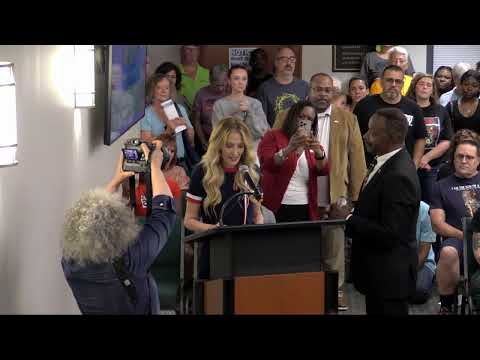
Mayor Holly Pittman read a proclamation recognizing June as Pride Month and several residents used the public‑comment period to respond, sharply divided along religious and civic lines.
Mayor Holly Pittman read a proclamation recognizing June as Pride Month and several residents used the public‑comment period to respond, sharply divided along religious and civic lines.
The proclamation prompted praise from LGBTQ advocates and city residents who said the recognition supports vulnerable community members. Logan Paneto, an organizer with Leavenworth Family Pride, told the commission, “For the local alphabet residents, such as myself, this month is 1 of openly sharing joy and visibility. Even small acts of visibility like a proclamation can have a powerful impact.” Mike Trapp, who said he has been involved with Leavenworth Family Pride, thanked the commission for the recognition and said the group includes “mostly parents supporting their kids and loving their kids.”
Opponents framed the proclamation as divisive and at odds with their religious convictions. A speaker identifying himself as a Leavenworth County commissioner said the proclamation “serves no purpose … except to state 1 political position.” Vanessa Reed said handling proclamations before public comment “says to the community that we do not value your comments,” and she urged commissioners to “stand firm on scripture.” Pastor Ruben Gonzales told the commission, “We are praying for the city,” and said he opposed celebrating what he called “that’s against the bridal.” Several other residents read or referenced a letter from former state representative Tony Barton opposing the proclamation.
The comments reflected a range of concerns and rationales. Supporters emphasized local visibility and the mental‑health risks faced by LGBTQ youth; opponents emphasized religious objections and the view that the proclamation politicizes city ceremonies. William Rogers urged tolerance in his remarks and invoked historical civil‑rights cases, saying changes in public opinion on marriage have been “one of the most rapid and sustained shifts in mass attitudes.”
No formal city policy or ordinance changed at the meeting. The commission did not vote on the proclamation itself during public comment; proclamations are ceremonial. Commissioners and the mayor heard public comment but did not take action on the subject at the meeting.
The divided public response underscored the issue’s salience in Leavenworth: multiple speakers used their allotted public‑comment time to press the commission either to continue public recognition of Pride Month or to refrain from issuing similar proclamations in the future.