Lifetime Citizen Portal Access — AI Briefings, Alerts & Unlimited Follows
Presenters describe spawning lab to increase coral genetic diversity and resilience
Loading...
Summary
Speakers at a meeting discussed coral restoration approaches, saying current cloning methods produce low genetic diversity and describing a planned coral spawning lab aimed at producing greater natural genetic variation to select for thermal tolerance and disease resistance.
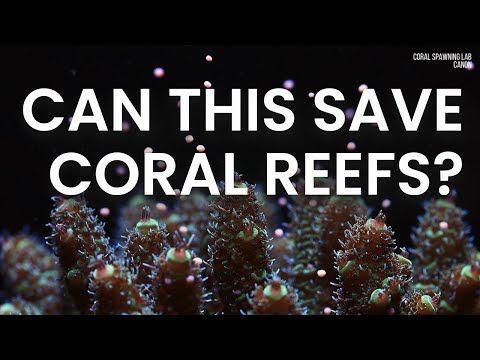
Presenters at a meeting described plans for a coral spawning lab they said could increase genetic diversity in reef restoration and help identify corals more tolerant of warming and disease.
"Do you think a coral is an animal, a plant, a mineral, or a microbe? And the actual answer is it's all 4," said Speaker 1, a presenter, opening the discussion on reef ecology and climate impacts. The speaker said many reefs have died and that current restoration has relied on cloning: "we've just been cloning corals. We've been cutting little pieces, growing them in underwater nurseries and planting them." Speaker 1 said that approach produces limited genetic diversity.
Speaker 2, a presenter, described the planned approach using natural spawning and lab-based spawning techniques to broaden genetic variation. "So there's not a lot of genetic diversity in this. But the moment that you enter the world of ****** reproduction, which is what, with the spawning lab we're going to do, you get a huge diversity variants," Speaker 2 said. They added that increased variation could yield individuals "that are stronger and more resilient to climate change."
Speaker 2 also said the coral spawning lab technology would capture "the natural, genetic diversity that you get on the reef anyway, and some of those could be targeted to increase that thermal tolerance or that disease resistance." The presenters framed the lab as a complement to existing underwater nurseries and cloning efforts rather than a replacement, describing it as a way to test corals' vitality and select for advantageous traits.
Discussion points recorded in the transcript emphasized (1) widespread reef loss linked to climate impacts, (2) limitations of current cloning/nursery methods for preserving genetic diversity, and (3) the potential of spawning-based methods to expand genetic variation and identify more heat- and disease-tolerant corals. The speakers also linked the approach to bringing together scientific tools and technology developed internationally.
No formal motions, votes, funding amounts, timelines, or implementing agencies were recorded in the transcript. The presenters referenced applying laboratory spawning techniques to local restoration work in Norwich but did not specify project scope, schedule, or funding sources.