Kyrene presents Year 2 strategic‑plan progress with early‑literacy gains and equity improvements
Loading...
Summary
Superintendent and district leaders reported measurable progress on Kyrene’s five‑year strategic plan: kindergarten early‑literacy scores rose, middle‑school sense‑of‑belonging improved, and equity measures showed gains in proportionality across several categories; the district outlined priorities for Year 3.
Superintendent Laura Tenoz and her leadership team presented a Year 2 progress update on Kyrene Elementary District’s multi‑year strategic plan at the June 10 governing‑board meeting, reporting measurable improvement across several strategic goals and describing Year 3 priorities.
Tenoz opened the presentation and said the plan’s theory of action centers on creating interconnected systems so teachers can deliver rigorous, responsive instruction that keeps students on track each year. The district highlighted four strategic goals: early literacy, academic progress (grades 3–8), middle‑school sense of belonging, and equity (proportionality in gifted identification, advanced coursework and disciplinary referrals).
Dr. Sandra Lane and other cabinet members described initiatives the district funded and executed in Year 2. Among the items cited: a large LETRS (Language Essentials for Teachers of Reading and Spelling) rollout that enabled district K–5 teachers to complete training toward an early‑literacy endorsement; reduced K–2 class sizes supported by roughly $1.4 million of the $1.9 million invested in Future‑Ready Schools initiatives; Character Strong adoption in middle and K–8 schools to address social‑emotional learning; and investments in integrated educational technology, online Spanish and staffing‑model pilots at eight schools.
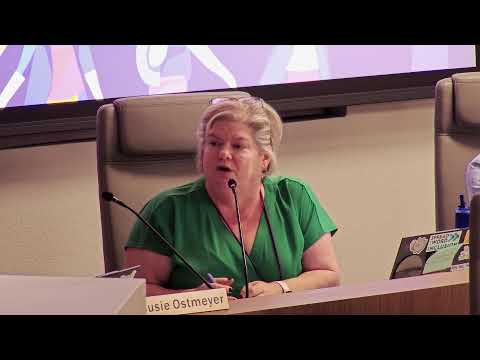
Dr. Ostmeier (reporting on outcomes) showed improvement on the district’s scorecard: kindergarten benchmark rates increased three percentage points from the prior year and showed a multi‑year gain of seven points; aggregated early‑literacy results produced multiple schools meeting the district’s 85% benchmark; academic progress (a combined pass/growth/on‑track metric using state assessment data for grades 3–8) improved by five percentage points year‑over‑year; middle‑school belonging scores rose by seven points; and equity measures — which track proportional representation across student groups in gifted programs, advanced coursework and disciplinary actions — improved by about 15 percentage points in composite measures, with 73% of examined subgroup‑metric combinations either at proportionality or moving toward it.
District leaders said Year 3 priorities will build on those efforts: expand early‑literacy supports to grade 1, launch Breakthrough Results coaching cycles at five schools to accelerate literacy for targeted cohorts, implement an anonymous reporting system to support school safety and mental‑health early‑intervention, expand dynamic and student‑centered instruction (including online course options), continue the special‑education opportunity review implementation and refine a tiered system of supports for schools. Leaders also signaled continuation of work on a compensation study and long‑range facilities planning, both of which they said will inform future budget and staffing recommendations.
Why it matters: the presentation laid out metric‑level progress and district priorities that will shape resource allocations and program design going forward. Board members requested a deeper, grade‑level data review in a fall data retreat and asked for additional focus on middle‑school academic progress measures.