Get Full Government Meeting Transcripts, Videos, & Alerts Forever!
Get email alerts on the Climate Action topic
No spam. Unsubscribe anytime.
City presents municipal climate action plan outlining 10 priority projects and 72 actions
Summary
The administration presented a final draft municipal climate action plan developed with Nutter Consulting. The plan offers an updated 2023 greenhouse‑gas inventory, priority projects for municipal emissions reductions and an implementation matrix; council members praised the plan and asked for dashboards and budget integration.
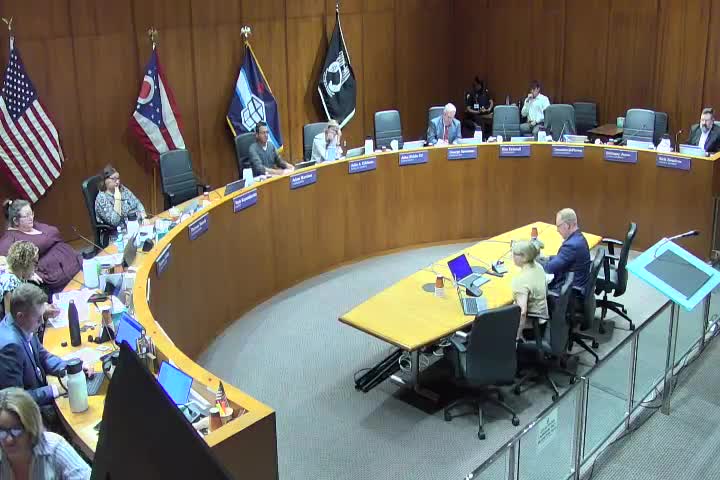
The City of Toledo presented its final draft municipal climate action plan to council on June 10, describing the plan’s development, key findings from a 2023 municipal greenhouse‑gas inventory and a set of prioritized actions intended to reduce emissions from city operations.
Why it matters: The plan is the administration’s roadmap to reduce greenhouse‑gas emissions from municipal operations — a combination of planning, capital projects, procurement and operational changes that city leaders said will both reduce emissions and produce long‑term savings.
What the plan covers - Inventory and drivers: The city compiled a 2023 municipal GHG inventory and reported reductions since the 2010 baseline driven largely by water‑treatment energy efficiency upgrades and conversion of street lighting to LEDs. In 2023 electricity accounted for about 52% of municipal emissions; landfill operations, natural gas/propane and vehicle fleet were other material contributors. - Vulnerabilities: The plan used the Lucas County hazard mitigation plan to identify local climate hazards — flooding, harmful algal blooms, severe thunderstorms and winter storms — as primary regional risks. - Actions and priorities: Nutter Consulting and city staff identified eight strategy areas supported by 72 actions and an implementation matrix. Ten projects were flagged as immediate priorities; examples include exploring renewable energy and microgrids, enhanced HVAC and efficiency upgrades at city facilities, expanding EV charging, single‑stream recycling across city buildings, rainwater harvesting for nonpotable uses and native plantings on vacant city lots. - Implementation tools: The plan includes an implementation matrix that ranks actions by GHG reduction potential, cost and timeline and is designed to be updated over time. Staff said they are working with IT to create a public dashboard showing inventory and metrics.
Council reaction and follow-up Council members widely praised the plan as thorough and practical. Members asked for: a public-facing dashboard to track progress, more detail on building-level feasibility for solar and microgrids (including battery storage), and ways to align the plan with the city budget and procurement processes. Staff said they will return with more detail, including energy assessments and opportunities for integrating sustainability into procurement and budget decisions.
Direct quotes from the meeting “We began by compiling and reviewing existing city plans, policies and procedures ... This allowed us to build on the progress Toledo has already made as well as identify key areas still needing action,” said the presenting staff lead. “We also created a tracking matrix … to monitor progress and accountability.”
Next steps Staff said the final draft has been posted to Legistar and they will work with council and IT to publish a dashboard with greenhouse-gas inventory data, urban heat-mapping and other resources. The plan will be used to sequence the 1% for the environment funding and pursue federal, state and philanthropic support for priority projects.
Documentation The final draft of the municipal climate action plan is available on the council docket (Legistar); staff committed to follow-up briefings on budget integration and project sequencing.