Get Full Government Meeting Transcripts, Videos, & Alerts Forever!
Get email alerts on the Operations topic
No spam. Unsubscribe anytime.
Operations report: diversion to AEL, mulch-site volumes and lowest spring reject rate in six audits
Summary
TARE operations staff reported diversion of 165 loads to AEL during routine outages, commercial mulch volumes far outpace residential, bulky-waste tonnage rising seasonally, and spring 'trash rejects' fell to 27.98% — the lowest in the last six spring audits.
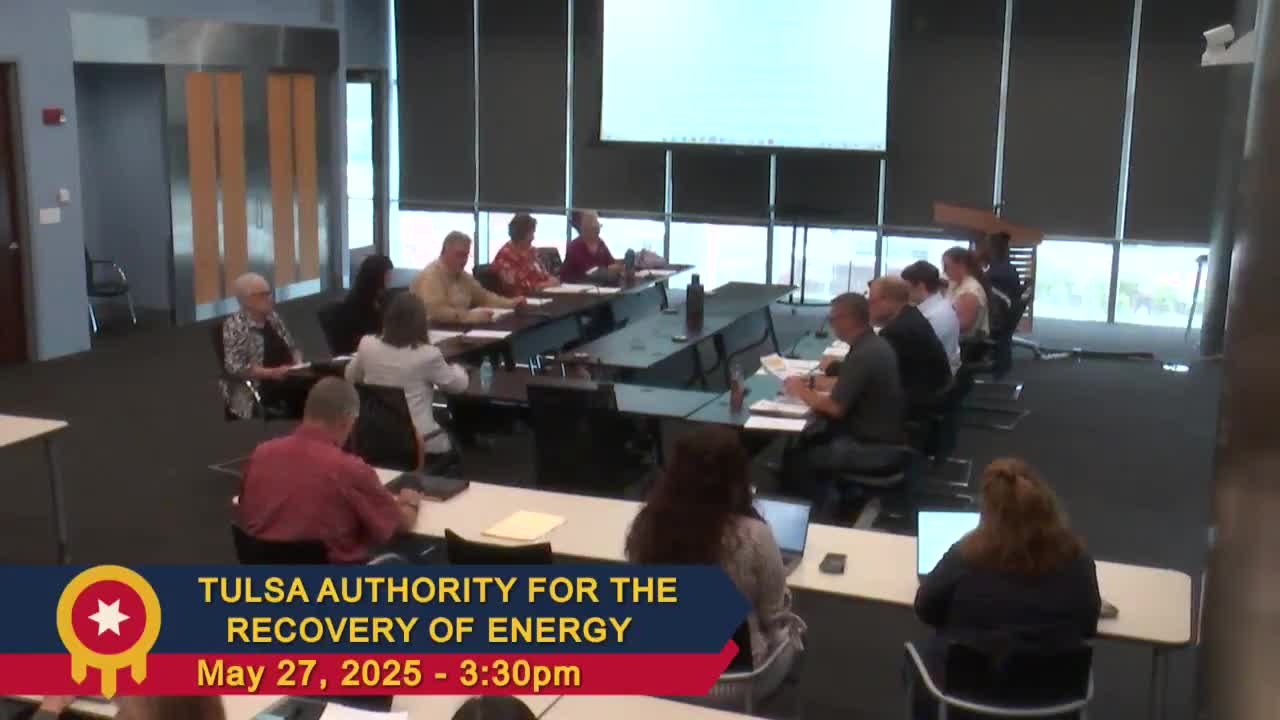
TARE operations staff presented routine operational metrics and monthly highlights at the May 27 meeting.
Diversions and outages: Staff reported that 165 loads were diverted to AEL during the month because of routine maintenance outages at the processing plant (staff described the plant working on boilers and scheduled outages). Staff said diversions were tracked monthly and a board member asked staff to track whether diversions were weather-related, planned outages or due to other causes.
Mulch-site volumes: Staff reported the mulch site remained ahead on grinding capacity compared with incoming volumes. The meeting materials showed commercial customers delivered about 22,099 cubic yards while residential deliveries totaled about 9,800 cubic yards for the reporting period; city-internal deliveries were shown separately.
Bulky waste and illegal dumping: Bulky-waste tonnage is trending up seasonally, staff said, and legal dumping totals were markedly lower than the prior year in the audited period (meeting remarks noted legal dumping was roughly one-tenth of last year’s comparable figure, though staff said root causes are hard to track and flagged increased roll‑off use as a possible contributor).
Audit results and contamination: Staff reported a trash-reject rate of 27.98% in the most recent audit (down from 28.84 in October), which staff said is the lowest spring audit figure in the last six audits. Staff said contamination metrics and shopping-cart tracking appear in the monthly packet and noted the authority will continue to monitor rejects and contamination rates.
Ending: Staff concluded with a request for questions and said they will include diversion causes in future reports if requested.