DPU director: compliance tests due; boil-water advisory may be lifted after tomorrow's results
Loading...
Summary
The Richmond Department of Public Utilities said the water treatment plant is producing 60–65 million gallons per day, but the city will wait for two Virginia Department of Health compliance samples — one finishing tonight and one tomorrow — before deciding whether to lift a boil-water advisory.
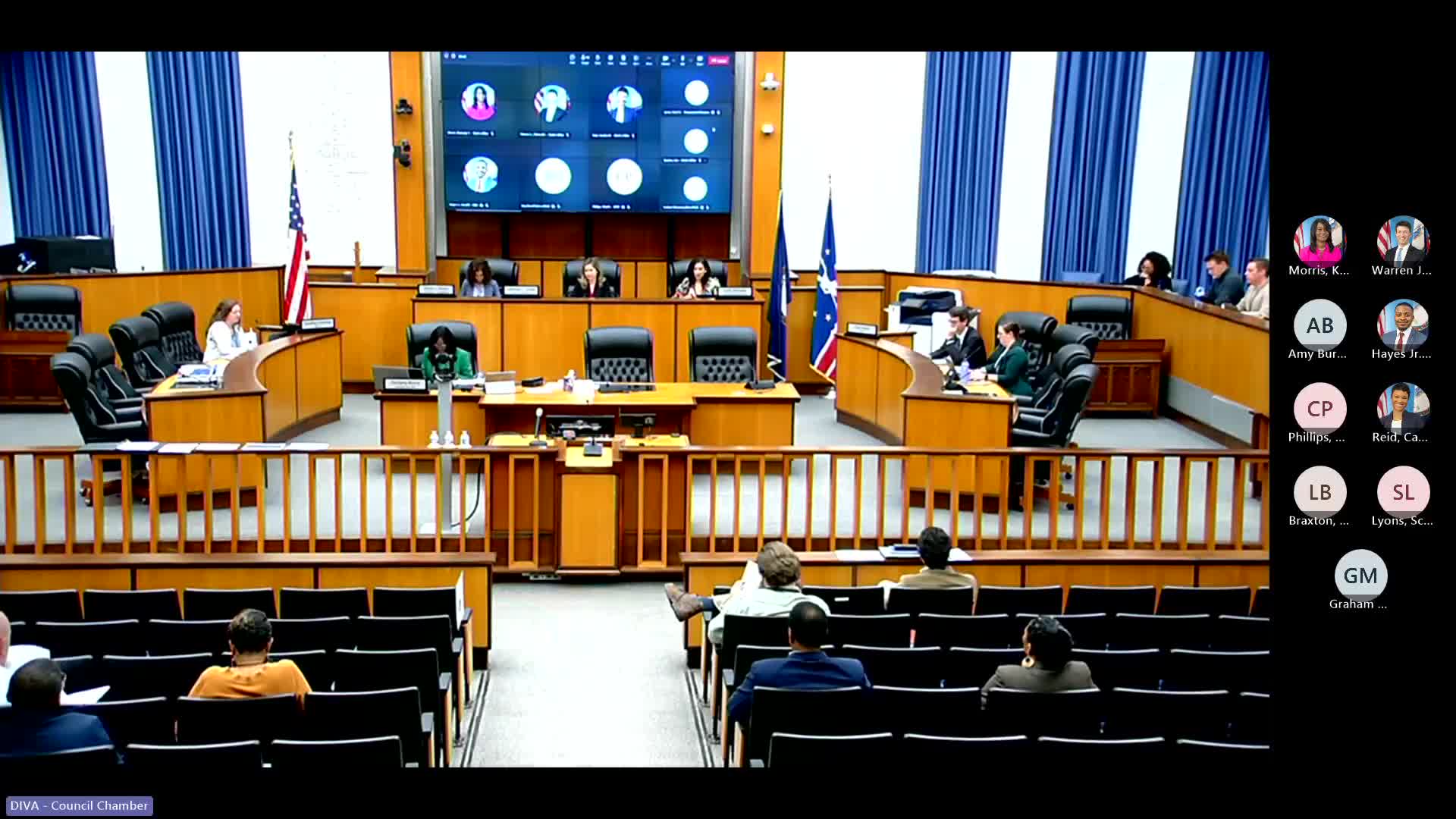
The Richmond Department of Public Utilities (DPU) told the Governmental Operations standing committee that production at the city's water treatment plant has recovered to roughly 60–65 million gallons per day and that laboratory results expected tonight and tomorrow will determine whether the boil-water advisory can be lifted.
DPU Director Scott Morrison said the system reached about 20 pounds per square inch (psi) recovery shortly after 6 p.m. the previous evening and that the first required compliance sample "will be coming out of the incubator, roughly around 09:00 tonight," with a second required sample completing its incubation the following afternoon. "So we'll know shortly in the afternoon time tomorrow if we can lift the boil water advisory," Morrison said.
Why it matters: The advisory affects residents' use of tap water for drinking and cooking until the Virginia Department of Health (VDH) compliance samples test negative. Morrison told council members the plant is functioning and that turbidity values from filters were "within normal acceptable ranges," but four filters remain offline for repair and manufacturers' parts are on order.
Morrison said crews routinely perform backwash sequences — longer operations that purge sediment from filter media — and that the recent event involved multiple filters needing sequential backwashes. "If you have multiple filters go out simultaneously, it takes a much long protracted period of time to recover," he said, and added that the plant operators were able to restore production later the same evening.
Council members asked why an oxidation system had been offline since December; Morrison said he did not know the reason and would research the matter. On reservoir capacity, he said Bird Park Reservoir holds about 55 million gallons and that it was operating at roughly half capacity during construction ("about 26-ish or 27 [million gallons]"). He contrasted that with the Ginter Park tank, which he said is roughly a 1 million gallon tank and therefore cannot compensate for the reservoir's reduced storage.
In response to repeated questions about whether multiple recent incidents (January outage, a fluoride-level event, and the current advisory) indicated systemic maintenance failures, Morrison said DPU has introduced standard operating procedures and improved communications since January. "We have to develop these SOPs that we've been developing. We have to do training," he said, and committed to providing council members with a timeline for a root-cause analysis "over the next several weeks."
Council members raised concerns about public notification, saying many residents in affected districts reported not receiving direct city alerts. Morrison said the department issued press releases and briefings to regional partners and that it will notify the public when lab results are complete. "If everything comes back negative, that'll be a lifting of the water advisory," he said; if a sample is positive, Morrison said DPU had already prepared an additional sample to shorten the time to a conclusive result.
What remains unresolved: Morrison said he would research why the oxidation system had been offline since December and return to council with that information. He also said the four filters out of service were being worked on and would be returned to service when parts arrive. The department pledged a root-cause analysis and further updates to council and the public following tonight's and tomorrow's lab results.
Ending: Morrison emphasized that improvements have been made since earlier incidents but acknowledged more work remains on SOPs, training and communications. Council members said they expect quicker, clearer public notification and a near-term report on root causes and corrective steps once VDH test results are available.