Get Full Government Meeting Transcripts, Videos, & Alerts Forever!
Get email alerts on the Shopping Carts topic
No spam. Unsubscribe anytime.
Cart-recovery pilot collects nearly 2,000 carts; city and vendors debate long-term funding and retailer participation
Summary
Cart Repo reported 1,917 shopping carts removed from city rights-of-way since December; program leaders say 70% of recovered carts belong to a single retailer and urged a mixture of incentives and consequences to sustain the effort.
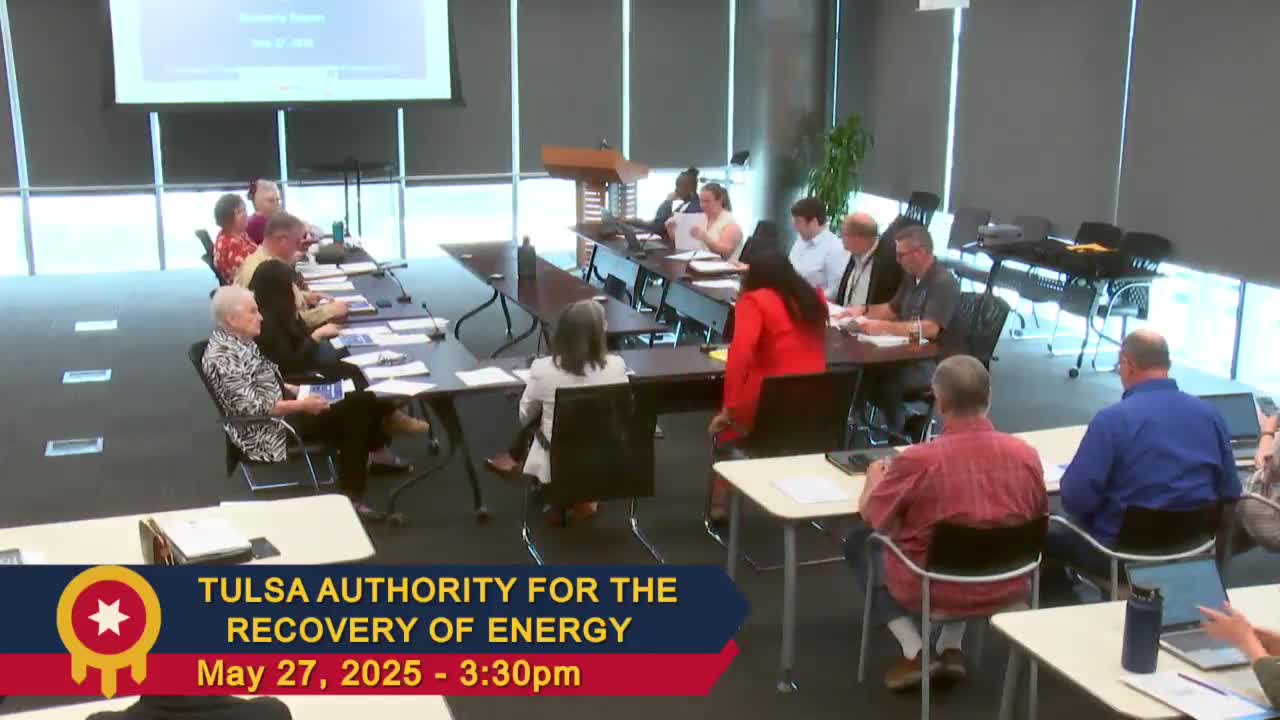
Shantel Mohammed, cofounder and chief financial officer of Cart Repo, told the Tulsa Authority for the Recovery (TARE) board on May 27 that her team has removed 1,917 shopping carts from public rights-of-way and other public locations since December 2024. "From December 2024 to April 2025, we've collected 1,917 carts from over 40 retailers," Mohammed said.
The pilot program, which the city funds through a purchasing agreement, bills the city a per-cart recovery fee (reported in the meeting as typically between $15 and $25 depending on volume and cart type). Cart Repo also reported that roughly 70% of recovered carts belonged to one large retailer; the company named a local partner retailer that has completed at least one buyback.
Why it matters: abandoned shopping carts create hazards in the right-of-way, add to stormwater pollution risk and landfill tonnage, and require city resources to remove. TARE staff said the city set aside $100,000 as a pilot appropriation to get the program started; Cart Repo said the city currently pays the vendor monthly for documented collections. City staff described the pilot as a midyear budget addition when it began.
Program operations and reuse: Cart Repo staff said they collect carts from streets, creek beds and parks, store them at a municipal yard (referred to in the meeting as Mohawk/Mohave), and then either return carts to requesting retailers or work to repurpose or recycle them. Mohammed said the vendor has completed a buyback sale to one retailer, which she described as "complet[ing] the loop" for that account.
Limitations and recovery costs: Meeting discussion covered the high replacement cost of shopping carts (presenters said new carts start around $200, with steel carts substantially more) and retailer reluctance to pay to recover stolen or abandoned carts. Mohammed said stores’ common rationale is that carts are stolen from them and retailers therefore resist paying. Board members and staff suggested a "carrot-and-stick" approach that could combine incentives for retailers that participate with stronger local enforcement or ordinance changes for those that do not.
Reuse, recycling and other outcomes: Staff said steel carts recovered from creek beds are often too damaged for reuse and are sent to a metal recycler; plastic carts generally are not recyclable and typically go to landfill unless repurposed. Board members and outside speakers suggested community-reuse ideas — for example, converting some carts to planters or donating stripped carts to nonprofits — while cautioning the city to ensure repurposed carts do not quickly return to the right-of-way and reappear in future collections.
Next steps and city role: TARE staff said they will continue quarterly reporting, pursue corporate retail contacts, and coordinate outreach through city government-affairs channels. Board members asked staff (Philip and Adam were identified in the meeting as city staff working on the issue) to draft a letter from the board chair to major retailers to request participation; staff agreed to draft that outreach and use the city’s legislative affairs director if needed.
Ending: Cart Repo and TARE members said the pilot demonstrates demand for an ongoing program but that its long-term financial model depends on retailer buyback participation, possible ordinance changes and whether the city will continue to subsidize the service.