Get Full Government Meeting Transcripts, Videos, & Alerts Forever!
Get email alerts on the College Access topic
No spam. Unsubscribe anytime.
River City students present research on financial‑aid barriers for English learners; recommend counselor engagement and resources
Summary
Two River City High School students and their team presented findings from a countywide survey and focus groups identifying knowledge gaps about financial aid among English learners and recommended counselor outreach, workshops and accessible resources.
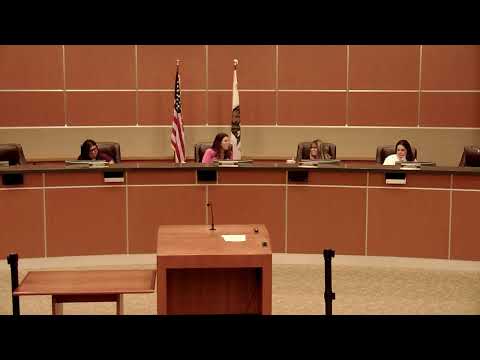
Two River City High School students, Bahare Yacoubi and Johnny Lou, presented findings on the district’s "College‑Going Initiative for English learners" at the Washington Unified board’s May 22 meeting. The student team surveyed and held focus groups across Yolo County to identify barriers that show why many English learners do not complete financial‑aid applications or enroll in postsecondary programs.
The fellowship research focused on the question: what are the most important barriers that impacted college enrollment for English learners in Yolo County? The team reported that a majority of English learners they surveyed recognized the benefits of financial aid but lacked the knowledge to apply. Students said they learned about financial aid primarily from outreach programs or family members, rather than school counselors.
The team surveyed students across six high schools and reported 58 survey respondents and 28 focus‑group responses; they said the sample reached roughly 21.9% of the district’s reported EL population in 2023–24 in the cohort they attempted to contact. For Washington Unified specifically, the presenters said they received 31 survey responses: many respondents rated their understanding of financial aid at the low end of the scale and a quarter said they felt uncomfortable approaching school counselors about financial aid.
The student researchers recommended three main strategies: (1) increase counselor engagement with EL students through one‑on‑one meetings and targeted outreach starting in middle school or freshman year; (2) deliver accessible financial‑aid education and workshops (including online materials and native‑language resources), and (3) conduct follow‑up surveys to measure progress. Presenters suggested using platforms such as Google Classroom, Canvas and social media to make materials available and recommended producing video resources in students’ native languages with subtitles in English.
Board members praised the students’ methods and asked that staff and counseling teams be included in follow‑up work. Trustee Wong and others said the student team’s work could serve as a model and recommended using district communications channels to amplify the resources.
Why it matters: The students’ research identifies a narrow but addressable barrier — knowledge of financial aid — with concrete recommendations the district can implement through counseling offices, communications and outreach. Student authors and trustees framed the work as actionable and requested district follow‑through.