Get Full Government Meeting Transcripts, Videos, & Alerts Forever!
Get email alerts on the School Safety topic
No spam. Unsubscribe anytime.
Board reviews draft MOU, student survey as district explores school resource officer program with West Sacramento Police
Summary
District staff presented a draft memorandum of understanding with West Sacramento Police and results of a student survey about safety and SRO roles; staff and trustees discussed preliminary costs and program details.
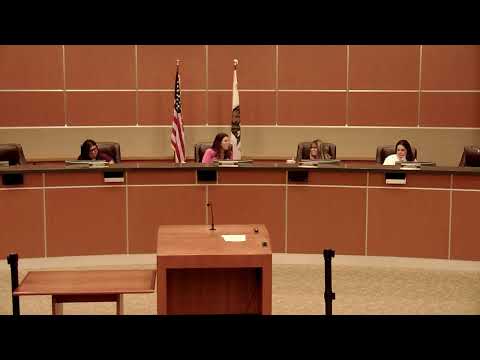
District staff presented a draft memorandum of understanding (MOU) with the West Sacramento Police Department and a student safety survey during the board’s May 22 meeting as the district explores a School Resource Officer (SRO) program. No MOU was adopted; the board discussed next steps and asked staff to continue negotiating with the city.
Director of Special Programs and Student Services Dr. Jay Burns reviewed student survey results collected May 5–9. The survey drew 1,782 student respondents across grades and campuses; a majority of students reported feeling "always" or "most of the time" safe at school, and students named "help in emergencies/crisis," "building positive relationships with students," and "teaching students about safety, laws or community issues" among the most important SRO activities. Respondents described traits they would like to see in an officer, including being respectful, approachable and trained in mental‑health and conflict resolution.
Burns presented a draft MOU outline covering program objectives, duties and financials. Preliminary cost figures provided in the draft include a maximum salary and benefits package for an SRO position cited as up to $250,000 (salary + benefits), with district share presented at approximately 50% of that total and additional overhead and overtime estimates that brought a draft total cost cited in the presentation to about $396,500; Burns cautioned the figures were preliminary and subject to city review and refinement.
Key elements in the draft MOU discussed by staff include: collaborative selection of officers with district participation; SRO duties framed as mentoring, student resource and crisis response rather than routine school discipline; limits on assignment (not used as hall monitors or regular lunch supervisors); participation in training, student‑support team activities and drills; and monthly coordination meetings between district and city staff. Board members and staff asked clarifying questions about the officer’s work year, whether the post would be 12 months and whether a single FTE should be backfilled when an officer is absent. Trustees suggested negotiating language about uniforms and school‑based professional development, and asked to route a draft to site safety committees for feedback.
No action was taken; Burns said staff will continue to negotiate the MOU with the city and the district’s safety consultant and will return with clarified financials, timeline options and a proposed implementation plan. Trustee Wong and others requested clarity about whether an implementation timeline could start in August and asked for drafts to come back for review at the June 10 City/School 2x2 meeting.
Why it matters: Adding an SRO to campuses is a substantive change in school‑police relations and carries both fiscal and cultural implications. The draft MOU emphasizes collaborative selection, limits on SRO discipline authority and training in mental‑health supports; trustees asked the city for clearer cost breakdowns and for staff to bring drafts to safety committees and the city‑school 2x2 for review.