Get Full Government Meeting Transcripts, Videos, & Alerts Forever!
Get email alerts on the Charter Powers Subpoena topic
No spam. Unsubscribe anytime.
Charter reviewers question council power to compel documents, penalties under Section 3.16
Summary
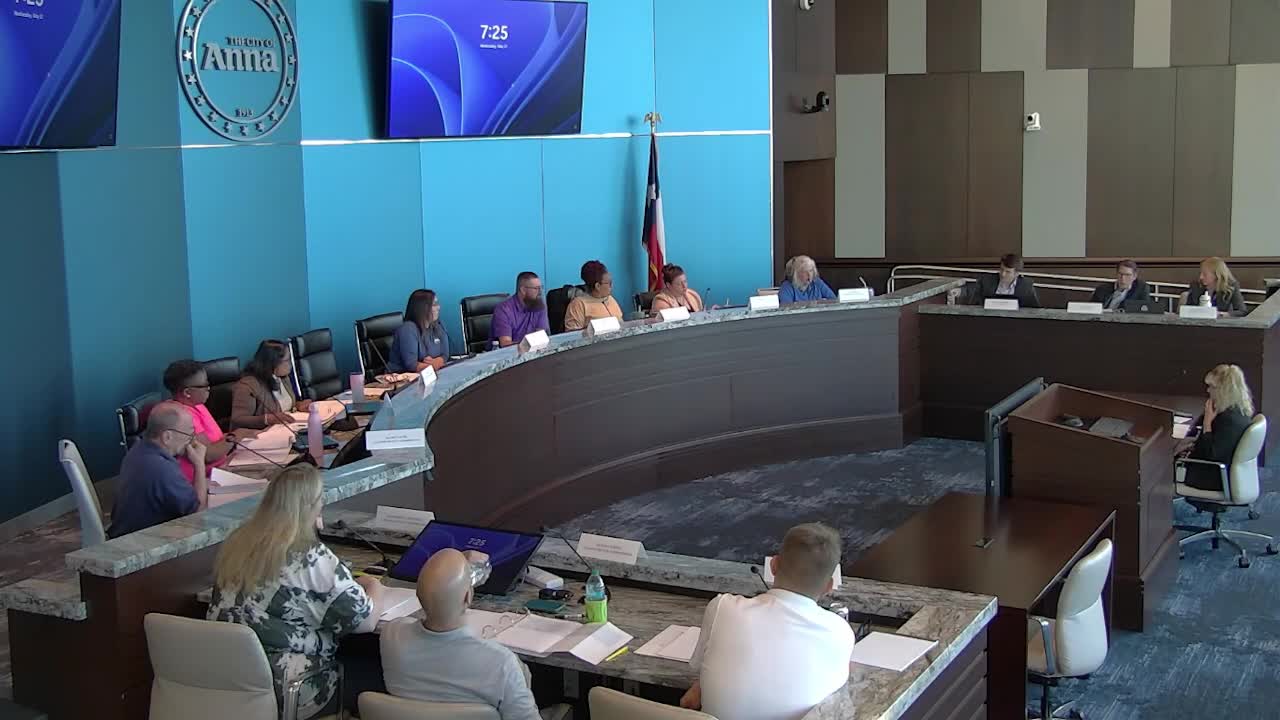
At a meeting of the Anna Charter Review Commission, commissioners questioned Section 3.16 of the city charter, which says the City Council may administer oaths, compel “the production of books, papers and other evidence material to the inquiry” and by ordinance impose penalties for contempt.
At a meeting of the Anna Charter Review Commission, commissioners questioned Section 3.16 of the city charter, which says the City Council may administer oaths, compel “the production of books, papers and other evidence material to the inquiry” and by ordinance impose penalties for contempt.
Commissioners said the language is broad and asked what checks exist to limit the council’s authority to demand records from city employees. "Where does checks and balances as to what defines that material to their inquiry?" one commissioner asked, adding that the sentence allowing contempt penalties “seems like that's an overarching power.”
City Attorney Clark responded that legal remedies for someone who objects would generally be in court. "There might be a due process avenue or remedy to the courts," he said, and noted that criminal investigations would require constitutional protections such as probable cause and a warrant. Clark described the provision as an administrative tool intended to allow the council to investigate alleged misconduct and preserve public trust: "It allows the city to investigate internal potential misconduct, and for the public to be able to have faith in the government that it has the ability ... to conduct thorough investigations."
Several commissioners and staff framed the clause as distinct from criminal process. Clark and others said the charter provision would normally be used for internal administrative inquiries into city employees or officials and that appeals typically would be pursued in district court (Collin County) if a party sought judicial review.
Public comment at the meeting echoed concerns about accountability and process. Councilman Manny Singh, speaking as a private citizen, urged the commission to consider safeguards including whistleblower protections, regular review of enforcement provisions, sunset reviews of nonessential ordinances, and better public notice and transparency for council actions. "I recommend that you guys continue to have these discussions," Singh said, urging clearer procedures for reporting and addressing violations and stronger public notification practices.
The commission did not adopt any amendments at the meeting. Members discussed referring concerns to the commission’s report to City Council; Clark said he would not recommend a legal change but that the commission could make policy recommendations.
The discussion did not produce a formal vote on changes to Section 3.16; commissioners said the matter could be revisited in the commission’s report or at a later meeting.