Get Full Government Meeting Transcripts, Videos, & Alerts Forever!
Get email alerts on the Pedestrian Infrastructure topic
No spam. Unsubscribe anytime.
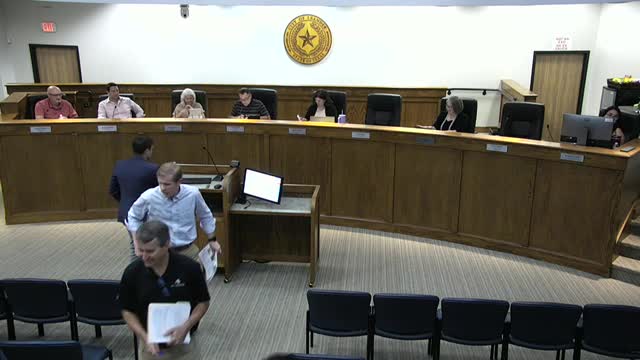
Planning commission denies variance to waive 10‑foot sidewalk along 183A; fee‑in‑lieu proposal rejected
Summary
The commission denied a developer's request to avoid building a 10‑foot sidewalk along the west side of 183A (CTRMA right of way) and to instead pay a fee‑in‑lieu. The vote was 3–2 after public comment urging construction of sidewalks now rather than later.
The Leander Planning and Zoning Commission denied a variance request to forgo construction of a 10‑foot sidewalk along the west side of 183A Toll Road, voting 3–2 against the developer's proposal to pay a fee in lieu of construction.
Planning staff presented the request as a variance to Section 42(e) of the subdivision ordinance; the application sought permission not to build a required 10‑foot sidewalk along the development’s frontage on 183A, a stretch of right of way under the jurisdiction of the Central Texas Regional Mobility Authority (CTRMA). Staff recommended approval of the variance and said the applicant proposed a fee in lieu that could be applied to future trail or sidewalk connections within the city. "Staff feels the spirit and intent of the composite zoning ordinance will be best met with a fee in lieu payment for the 10‑foot sidewalk and applied to a future trail system or sidewalk connection within the city," planning staff stated during the presentation.
The property at issue is one parcel of about 4.151 acres (Williamson County CAD r346169), generally located at 1550 County Road 269 in Leander. Staff said CTRMA has told the city it currently has no plans for a future sidewalk on that side of the toll road; as a result, the sidewalk would not connect to an existing or programmed sidewalk if built now.
A local resident, Anita Shumnovich, told the commission she opposed the variance and urged construction of the sidewalk now. "Sidewalks are not just aesthetic features. They are essential for walkability, public safety, accessibility, and long term community cohesion," she said, adding that a fee paid today may lose purchasing power as construction costs rise.
Commission discussion focused on two competing considerations: the practical effect of constructing a short, isolated sidewalk segment that would not connect to other sidewalks and CTRMA’s jurisdiction over 183A, versus the long‑term value of building pedestrian infrastructure now rather than delaying it. Several commissioners expressed concern that a sidewalk built now next to CTRMA right of way could be removed and rebuilt later when interchange construction occurs, while others said the city should not create persistent gaps in its pedestrian network.
After debate, the commission voted 3–2 to deny the variance. The record shows the motion to approve the variance did not pass; the commission did not record a dollar amount in open discussion at the vote, and staff noted the fee‑in‑lieu figures were included in the meeting packet.
Next steps: denial of the variance requires the developer to provide the required sidewalk under the subdivision ordinance unless another legal mechanism or further council action changes that requirement. The city may use any collected fees (if later accepted) for trail or sidewalk projects in the vicinity when and where appropriate.