Get Full Government Meeting Transcripts, Videos, & Alerts Forever!
Get email alerts on the Transportation Ggrf Highspeedrail topic
No spam. Unsubscribe anytime.
Legislators, agencies spar over May Revision’s GGRF cuts, transit grants and a $1 billion high‑speed rail pledge
Summary
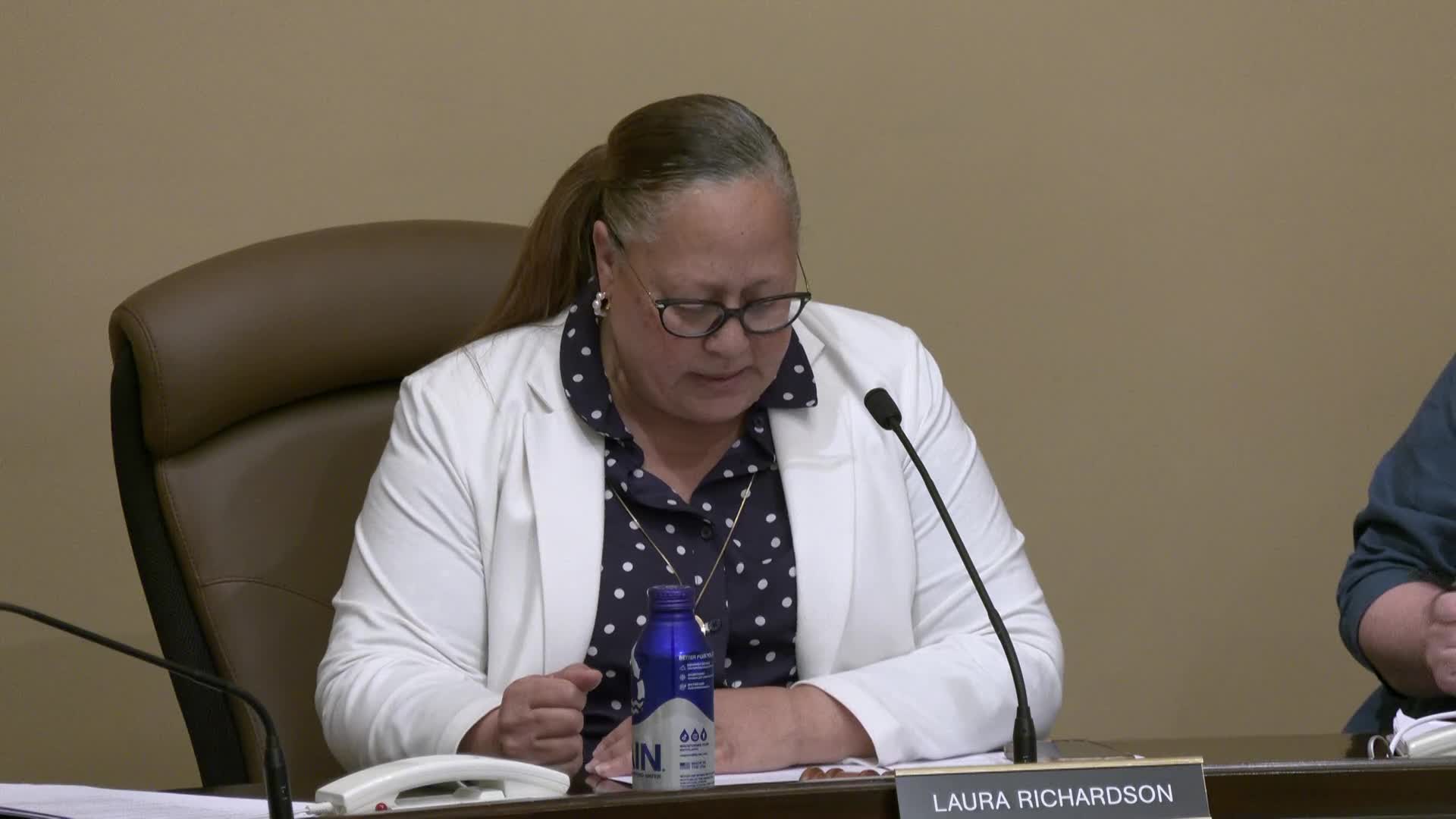
Chair Senator Richardson convened the Budget Subcommittee to review transportation items in the governor’s May Revision; Finance and LAO witnesses said the administration eliminated discretionary GGRF allocations for the budget year and proposed at least $1 billion annually for high‑speed rail, prompting transit agencies and legislators to warn of cuts to TIRCP and zero‑emission transit grants.
Chair Senator Richardson convened the Senate Budget Subcommittee No. 5 hearing to review the governor’s May Revision proposals affecting transportation funding, including a reauthorization proposal for the cap‑and‑trade program now called “cap and invest.” Department of Finance and Legislative Analyst’s Office representatives told the committee the administration has zeroed out discretionary Greenhouse Gas Reduction Fund (GGRF) allocations in the May Revision while proposing a multiyear funding approach that, as drafted, would guarantee at least $1 billion per year for the California High‑Speed Rail Authority.
The Legislative Analyst’s Office cautioned the committee the May Revision leaves the legislature to prioritize multiple constrained funding sources. “Overall, you’re faced with a situation where general fund, greenhouse gas reduction fund, and motor vehicle account, which are 3 of the key funding sources for many transportation programs, all do not have sufficient resources to fund all of the plans that are in place for them,” Rachel Ehlers of the LAO said.
Why it matters: The administration’s plan would remove a number of discretionary GGRF commitments the legislature and regions had previously programmed. That includes formula and competitive Transit and Intercity Rail Capital Program (TIRCP) awards and the 0‑Emission Transit Capital Program allocations that local transit operators have planned to use to shift bus fleets to zero‑emission technology. Transit agencies, regional officials and labor groups told the committee those commitments are already being relied on for capital projects and operations.
Key details
- The administration proposes a multiyear GGRF expenditure plan and a reauthorization of the cap‑and‑trade program (referred to in the hearing as “cap and invest”), but the May Revision contains no discretionary GGRF set‑asides for the budget year. LAO representatives and Finance staff said that approach is intended to open negotiations with the legislature on how to prioritize a constrained fund.
- Department of Finance staff told the committee the May Revision would move about $1 billion per year toward high‑speed rail (HSR) as a minimum funding commitment; the administration’s materials describe that as a guaranteed annual amount under the proposed reauthorization.
- LAO and multiple transit officials warned a simple dollar reallocation could reduce funds available to local transit capital projects and ongoing programs. The LAO highlighted that historically the HSR set‑aside has been 25% of GGRF revenues and that a fixed $1 billion floor could have different impacts depending on allowance prices and future revenue trajectories.
- Transit officials and union representatives repeatedly urged preservation of existing, programmed awards. Michael Pimentel of the California Transit Association told the committee that the exposure for transit could be far larger than the single‑year figure the administration highlighted: “That figure is actually $3,000,000,000 total representing the GGRF commitments to transit agencies through fiscal year 28, 29, both one‑time and ongoing,” he said during public comment.
Perspectives and concerns
- Administration/Finance: Finance witnesses framed the proposal as a negotiation posture — zeroing out discretionary GGRF in the May Revision to leave creation of a multiyear plan to legislative negotiations. James Moore (Department of Finance) said the administration’s priorities include at least $1 billion a year to HSR and an allocation to Cal FIRE intended to achieve general fund savings.
- Legislative Analyst’s Office: The LAO recommended withholding action on the HSR funding commitment until additional information is provided (costs, securitization plan, schedule and how that funding interacts with continuous appropriations). Helen Kersting (LAO) told the committee there are still “key information missing about the scope, the cost, the plan for potentially securitizing a specific financial plan on that.”
- Transit agencies and labor: Transit agencies and unions urged the legislature to protect previously committed awards and to avoid cutting funds that local agencies are already using to meet state mandates (for example, zero‑emission bus conversion). Labor representatives emphasized jobs tied to capital programs and HSR construction.
What was not decided
- The May Revision is an informational proposal. No votes or final allocations were taken. Committee members signaled they expect to negotiate with the administration as the budget process moves forward and asked for more detailed costing, implementation and legal language related to the HSR funding proposal.
Next steps and takeaways
- The LAO asked for additional, specific information on the HSR plan, including the administration’s securitization approach and how the proposed $1 billion minimum would relate to the existing statutory 25% set‑aside. Several senators requested updated cost and schedule documents from the High‑Speed Rail Authority and said they expect the legislature to weigh HSR funding against other GGRF priorities.
- Transit agencies requested the legislature preserve awards already programmed through 2030 and urged consideration of alternate solutions (including federal fund flexing) so capital projects and zero‑emission transitions are not disrupted.
Ending
Committee members recessed the transportation portion of the hearing after extended questions; the discussion will continue as the May Revision negotiations proceed and additional cost and financing details become available.