Get Full Government Meeting Transcripts, Videos, & Alerts Forever!
Get email alerts on the Historical Investigation topic
No spam. Unsubscribe anytime.
Forensic team describes radiography, tray storage and analysis workflow for Tulsa Race Massacre remains
Summary
A lead forensic anthropologist from the C.A. Pound Human Identification Lab walked through radiography, inventory and tray storage procedures used in the Tulsa Race Massacre investigation and directed viewers to the city’s 1921graves website for documents and photos.
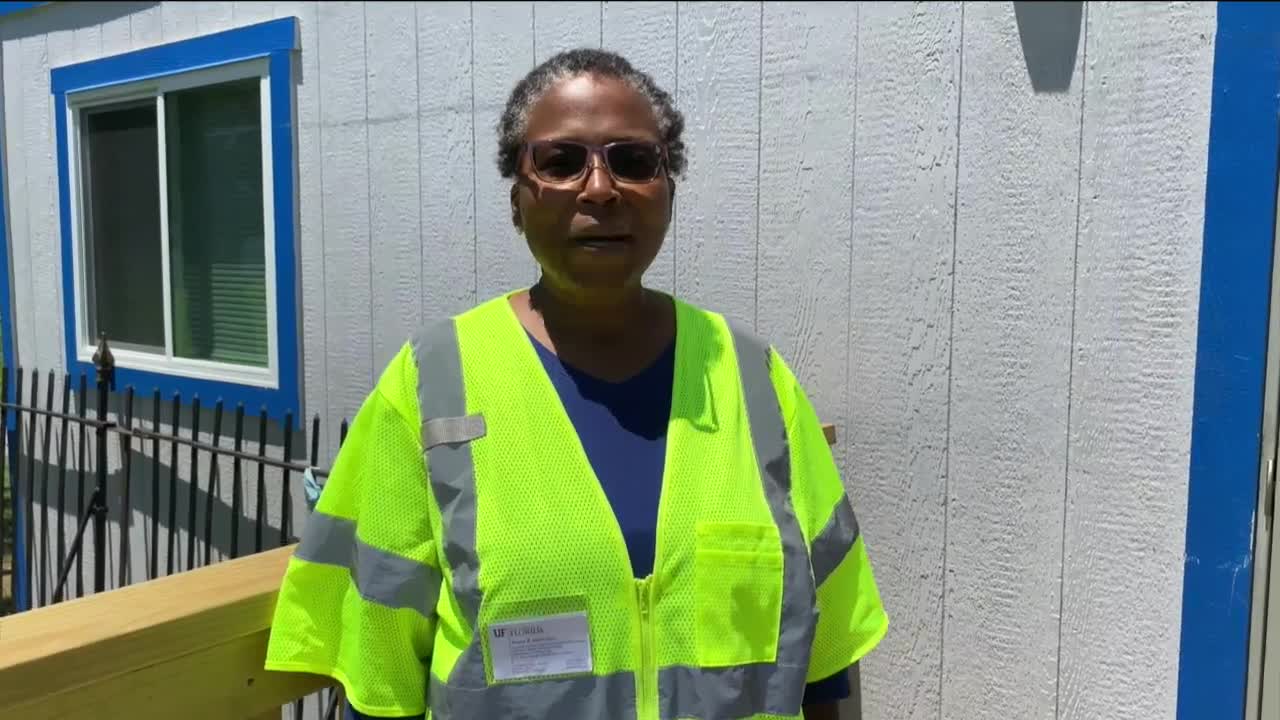
Phoebe Stubblefield, lead forensic anthropologist for the C.A. Pound Human Identification Lab at the University of Florida, described lab workflows used during the Tulsa Race Massacre investigation, including radiography, inventory, artifact recovery and tray storage.
Stubblefield outlined the lab’s radiography room and use of a CR (computed radiography) scanner to image remains and look for artifacts such as safety pins, buttons and nails that relate to burial context. She described keeping one burial per tray and one tray per table to avoid mingling of remains and to preserve context during analysis.
The presentation detailed analytical steps: inventory of skeletal elements, repair and reassembly of damaged bones, microscopic examination, specimen photography and data organization in a mix of paper and digital records. Stubblefield described tray storage designed by colleagues and noted trays move through a sequence of lab storage spaces before returning to cemetery pre‑reinterment storage.
She invited viewers to visit cityoftulsa.org/1921graves for reports, photos, meeting information and other resources about the investigation.