Get Full Government Meeting Transcripts, Videos, & Alerts Forever!
Get email alerts on the Civic Process topic
No spam. Unsubscribe anytime.
Council refers reactivation of advisory/legislative committees back to commissions for further review
Summary
The council considered a study session on reactivating the Legislative Review Committee (LRC), Ethics/Rules Committee (ERC) and audit committee. Council directed staff to refer each committee’s possible reactivation and charter back to the relevant commission or subcommittee for review and returned recommendations to council.
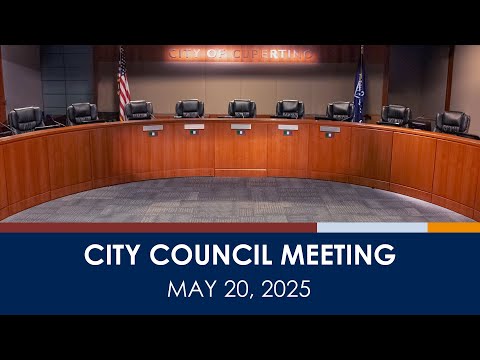
The Cupertino City Council on May 20 held a study session about whether to reactivate several advisory or review groups, including the Legislative Review Committee (LRC), an Ethics/Rules Committee (ERC) and an audit committee. The council voted to refer each potential reactivation back to the relevant commission or subcommittee for review and recommendation.
Staff presented options and explained that the LRC historically followed a legislative platform and reviewed state bills for possible city positions; the ERC and audit committee had varied roles in prior years. Public commenters urged immediate reactivation — one speaker said the Legislative Review Committee had “paid for itself” in past cycles and argued the council needs regular, focused review of Sacramento legislation. Others urged tight charters limiting scope, particularly for the LRC, so it focuses on local control and does not expand into policy areas that could harm local businesses.
Council directed staff to return the issue to the planning commission (for the ERC), to the legislative subcommittee or commission (for the LRC) and to the audit committee for each committee’s specific charter, scope and staffing implications. The motion to refer the items carried; one councilmember voted against the referral.
Why this matters: Reactivating advisory or review committees can improve city responsiveness to state legislation, provide more detailed vetting of policy proposals and spread review workload, but it has implications for staff time, notice requirements and scope control.
Votes at a glance: Motion to refer committee reactivation back to commissions carried with one no vote.