Get Full Government Meeting Transcripts, Videos, & Alerts Forever!
Get email alerts on the Environmental Education topic
No spam. Unsubscribe anytime.
Headwaters Science Institute emphasizes hands-on water science for K–12 students
Summary
The Headwaters Science Institute described student-driven research programs that pair students with working scientists to study water, snowpack and local ecosystems.
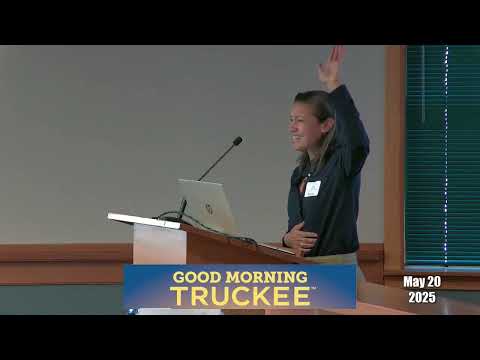
Mary Ellen Denier, co‑founder and programs manager of Headwaters Science Institute, told attendees that the organization’s goal is to “foster curiosity through science” by using student-driven research protocols that let children pose questions, form hypotheses, collect data and present findings.
Denier described multi-session school programs, half-day or full-day field trips and overnight field experiences that pair students with graduate students or working scientists from nearby universities. She said the program uses simple measurement tools — turbidity tubes, dissolved-oxygen meters and macroinvertebrate sampling — and emphasizes hands-on data collection and analysis.
She cited survey results the institute collected from participating students: 87% agreed they learned something they might not have in class, 64% reported increased confidence in applying the scientific method, and about 85% said they enjoyed science more after participating. Denier said those outcomes apply across grade levels from kindergarten through high school.
Denier explained why water is a program focus: snowpack, streams and watersheds connect to local drinking water and ecosystem health. She said nearly every program includes a water component — from snow-density studies in winter to macroinvertebrate sampling in creeks — and that hands-on exposure helps students understand how snowmelt affects the region and downstream water resources.
Why it matters: local hands-on science programs can increase scientific literacy and stewardship and expose students to conservation career pathways and real-world data collection methods.