Get Full Government Meeting Transcripts, Videos, & Alerts Forever!
Get email alerts on the State Budget And Health Policy topic
No spam. Unsubscribe anytime.
Minnesota lawmakers say work will continue in working groups; debates remain over MinnesotaCare for undocumented immigrants and OIG anti‑fraud bill
Summary
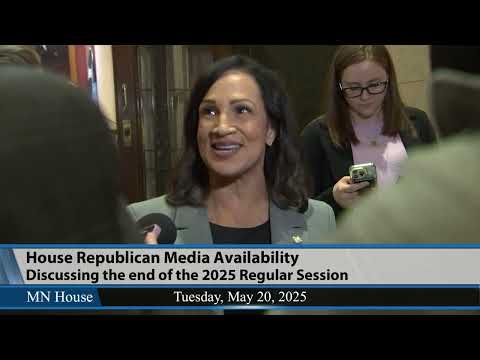
A legislative leader said Tuesday evening that conference committees had finished formal business and would convert to working groups that begin meeting the next morning as lawmakers continue negotiating remaining pieces of the state budget and policy packages.
A legislative leader said Tuesday evening that conference committees had finished formal business and would convert to working groups that begin meeting the next morning as lawmakers continue negotiating remaining pieces of the state budget and policy packages.
“We literally cleared the entire, everything that was available to us at this time,” the legislative leader said, adding that “the working groups start already tomorrow morning, so there's no delay in the work that needs to be done.”
Why it matters: the working groups will negotiate unresolved parts of the biennial budget package and related policy changes that leaders said must be finished in a special session if the governor calls lawmakers back. Lawmakers flagged two items as likely to draw extended debate: a change to MinnesotaCare coverage for undocumented adults and an Office of Inspector General (OIG) bill aimed at reducing fraud in state programs.
On MinnesotaCare and undocumented adults, the legislative leader summarized a compromise in the global targets negotiated by leaders last week and said the agreement “is not ending the ability for those that are here undocumented to get health care. It just stops Minnesota taxpayers from footing the bill for the insurance for that.” The leader also said there have been “really great bipartisan conversations” to reach those global targets and that, as of the briefing, there had been no changes to the leaders’ agreement reached the previous Thursday.
On the OIG anti‑fraud bill, the leader said the measure “passed with wide bipartisan support out of the senate,” but that House floor action stalled. “We could not get it to move in the house,” the leader said, and added that Republican members were unable to secure the procedural votes needed to bring it to the floor earlier in the day. The leader said the House attempted to “suspend the rules” to call up the bill but “we needed 90 votes. We only had 70.”
Representative Anderson was identified in the briefing as having introduced a version of the OIG bill as House File 1 and, according to the legislative leader, worked “across the aisle with the senators” to try to move the measure. The legislative leader said the governor had signaled support for anti‑fraud work in general but that the governor’s remarks on the specific bill had been mixed.
Budget context and politics: the legislative leader framed the negotiations as part of efforts to tighten spending after what the leader described as recent surplus and tax increases. The leader cited figures during the briefing, stating that “$18,000,000,000 of surplus was spent over the last 2 years” and that “$10,000,000,000 [in] taxes and fees” were raised, and saying the global targets include about “$5,000,000,000 of reduced spending from biennium to biennium.” The leader said House Republicans expect to need at least 68 votes to pass measures from the House floor and urged members of both parties to “uphold their part of the deal.”
Process and next steps: the leader said working groups will operate in a manner similar to conference committees and “will be as public as possible.” The leader and others at the briefing said remaining negotiation work could continue through the coming days and into the Memorial Day weekend, and that the governor will determine when to reconvene lawmakers in a special session.
No formal votes were recorded during the briefing. Participants said elements of the OIG bill could be “slipped in” during a future special session, and leaders described additional fraud‑prevention proposals as ready for consideration. The briefing closed with members noting the power‑sharing arrangements used during the session and thanking staff and lawmakers for their work as negotiations continue.